Priscilla | Private Guide for Singapore Tours

Meet Priscilla: Your Private Guide for Singapore Tours

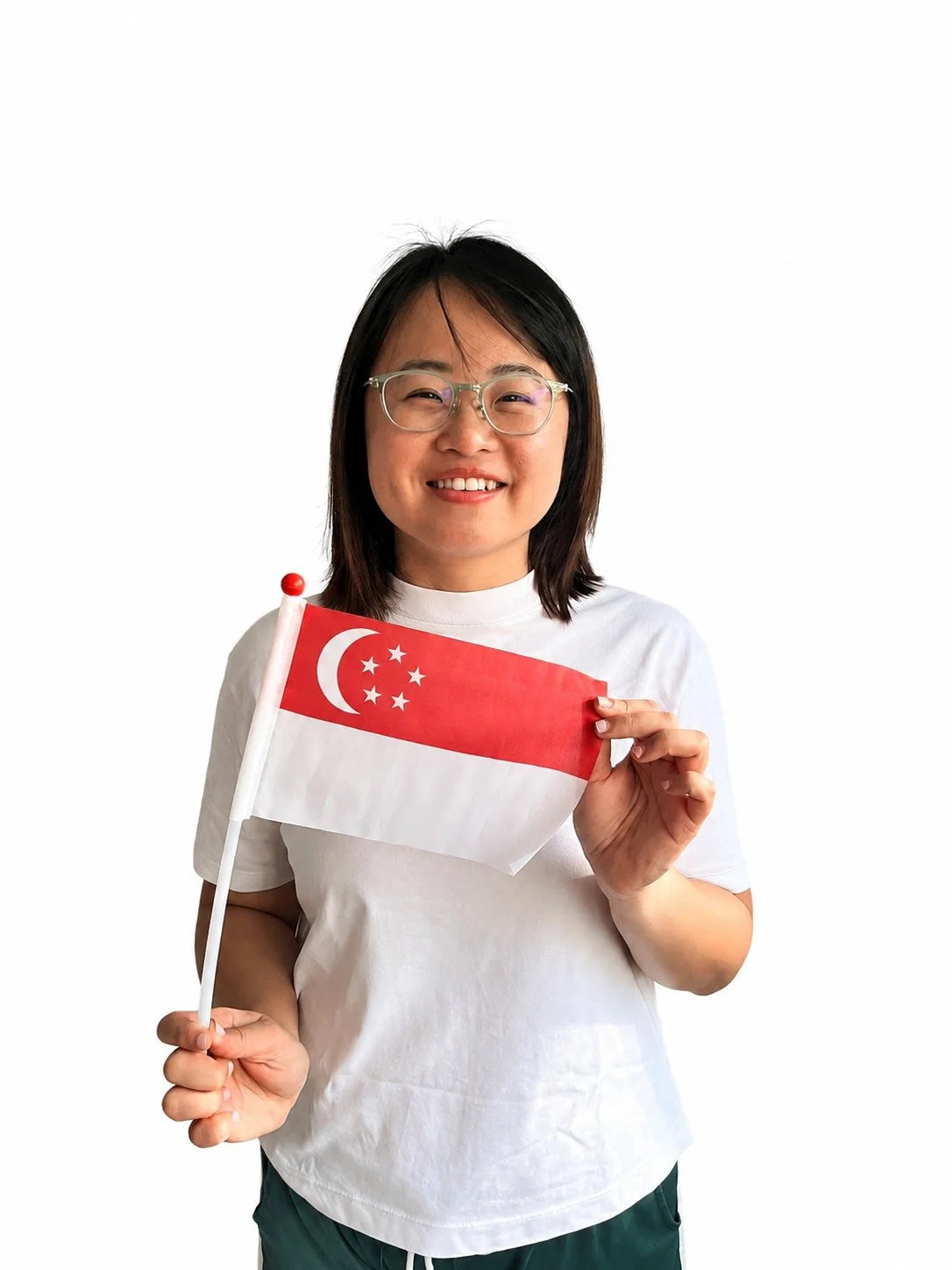
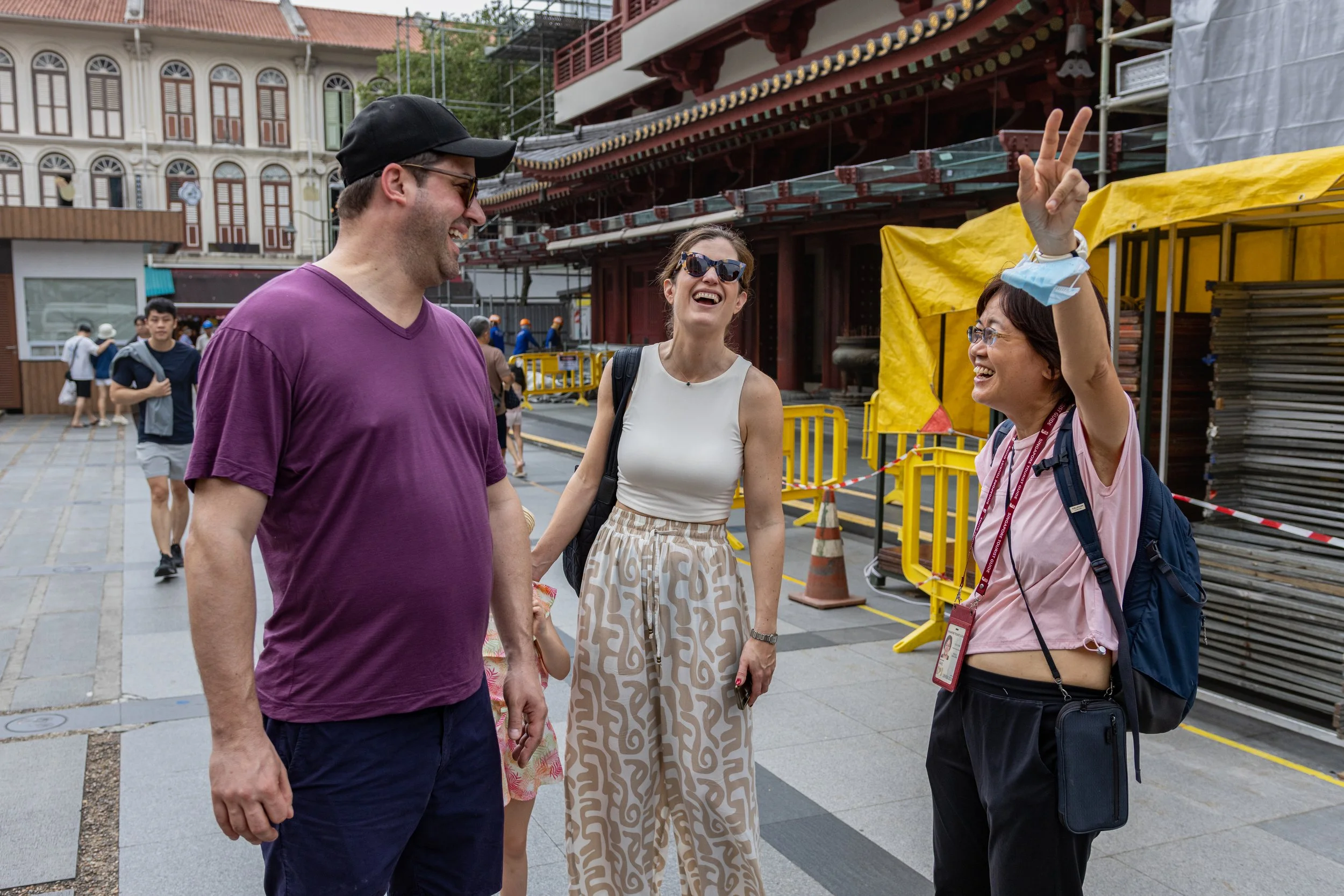
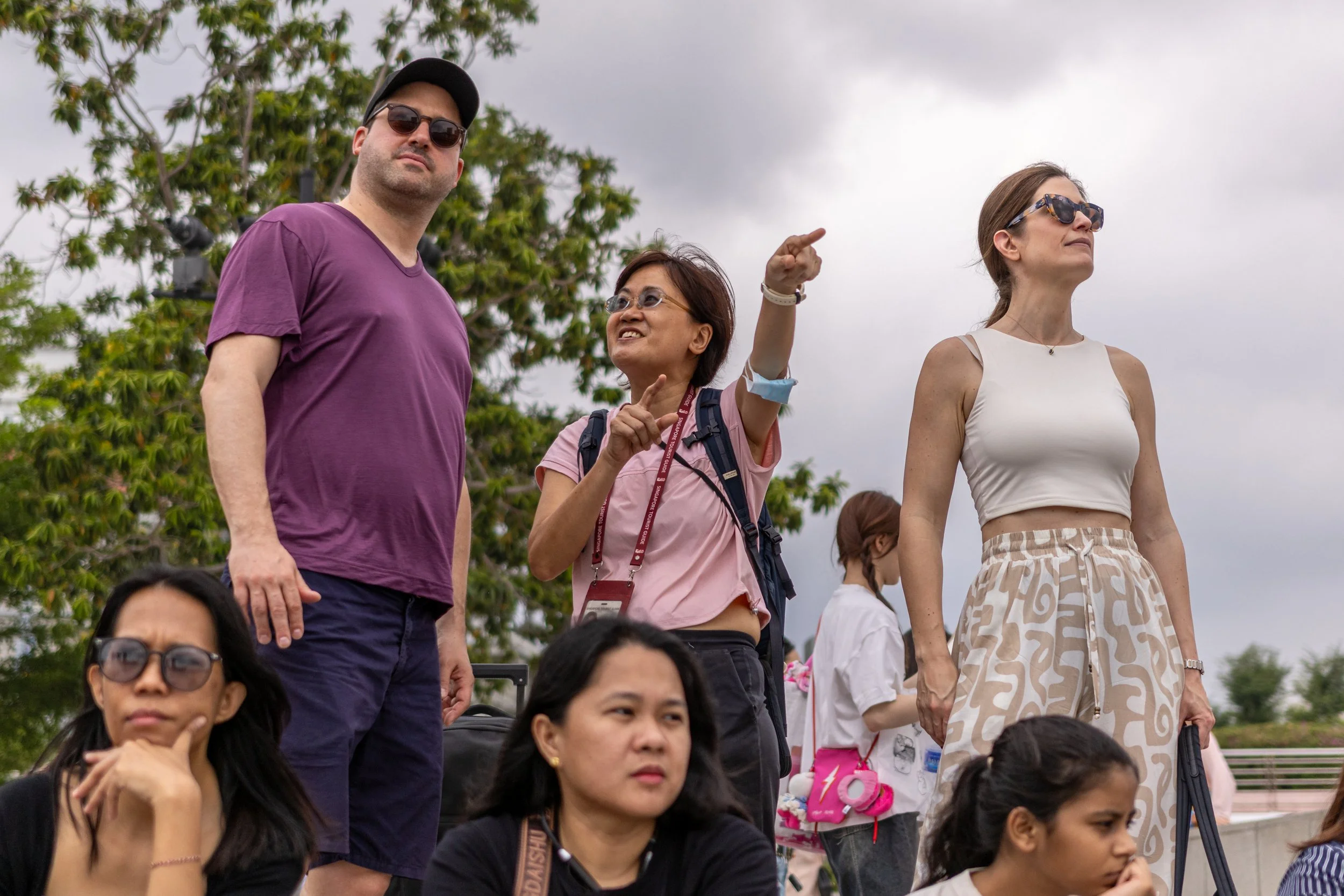
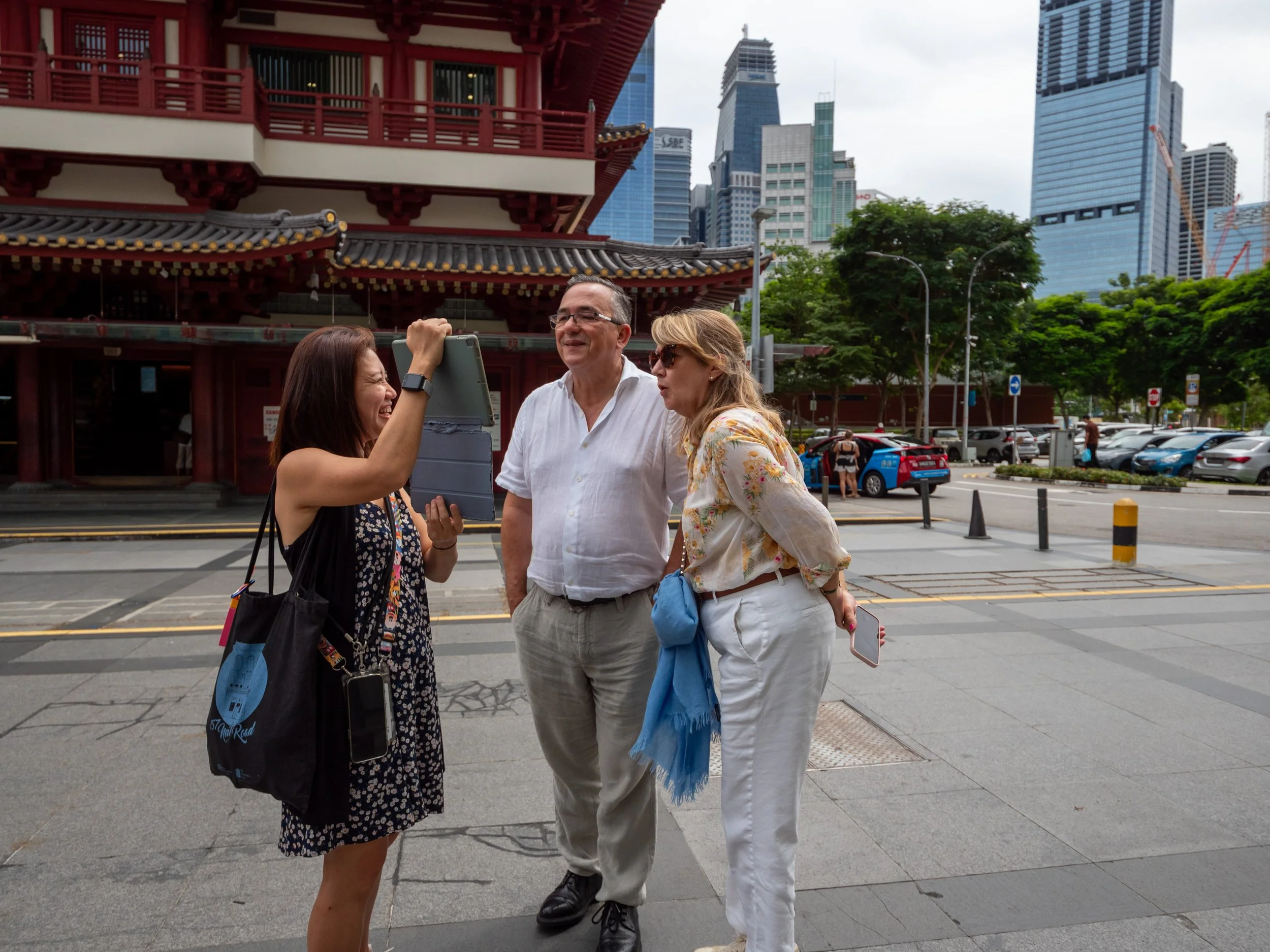
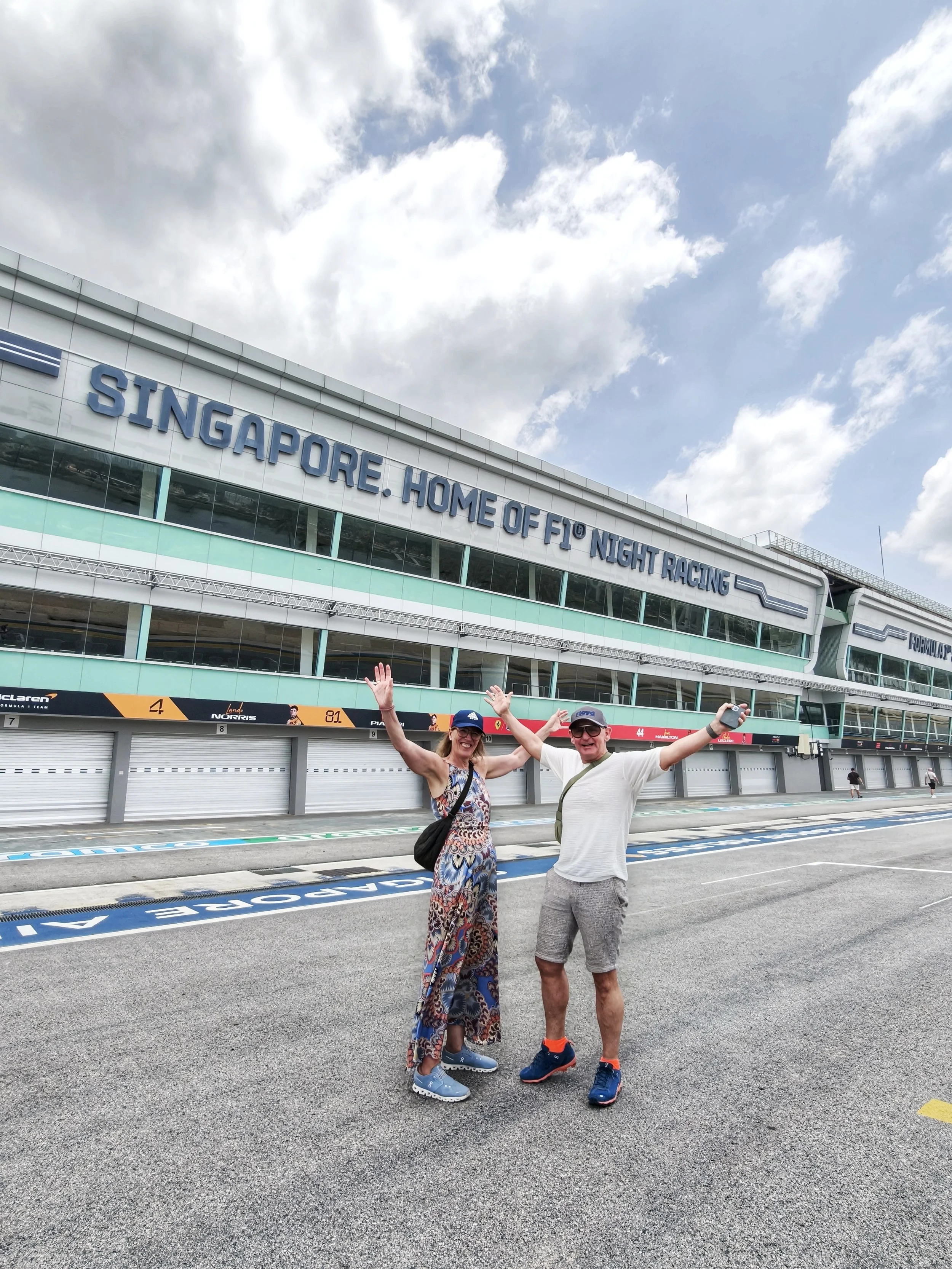
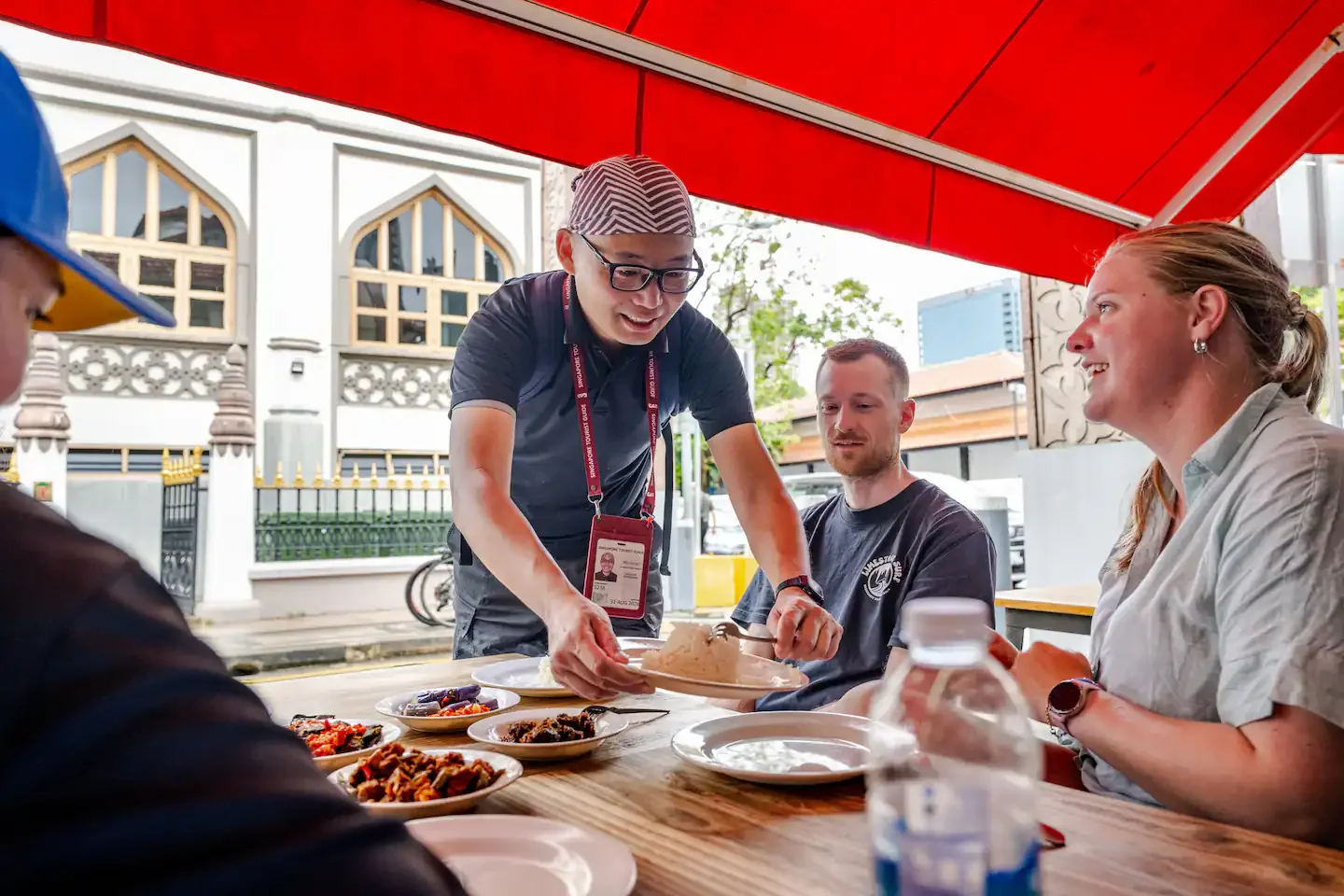
Meet Priscilla, a private guide for Singapore tours sharing local food, heritage, and the everyday stories that make Singapore feel personal.

Meet Priscilla, a private guide for Singapore tours sharing local food, heritage, and the everyday stories that make Singapore feel personal.

Want a private guide who makes Singapore feel personal? Meet Priscilla, one of the local experts behind our Singapore tours.

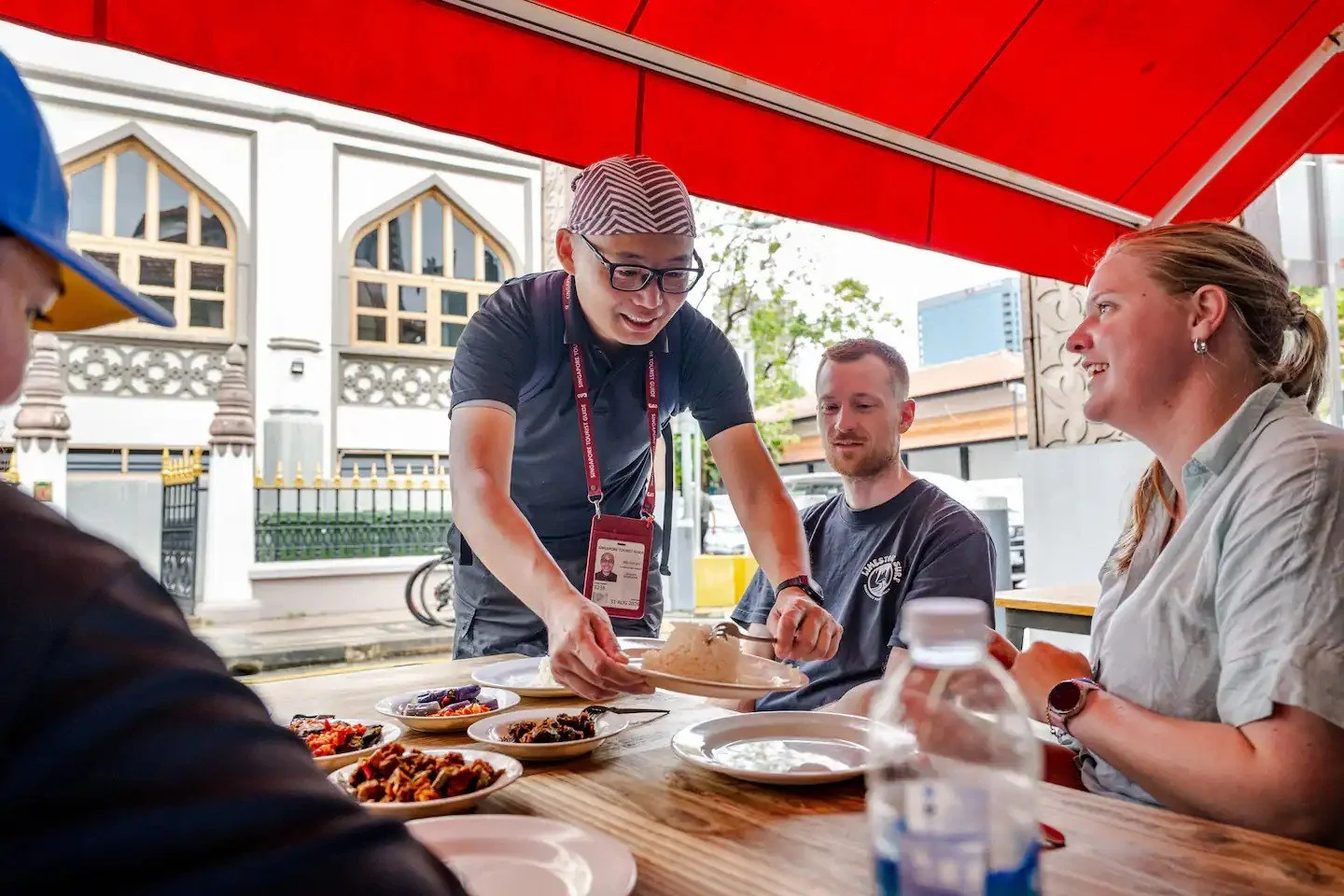
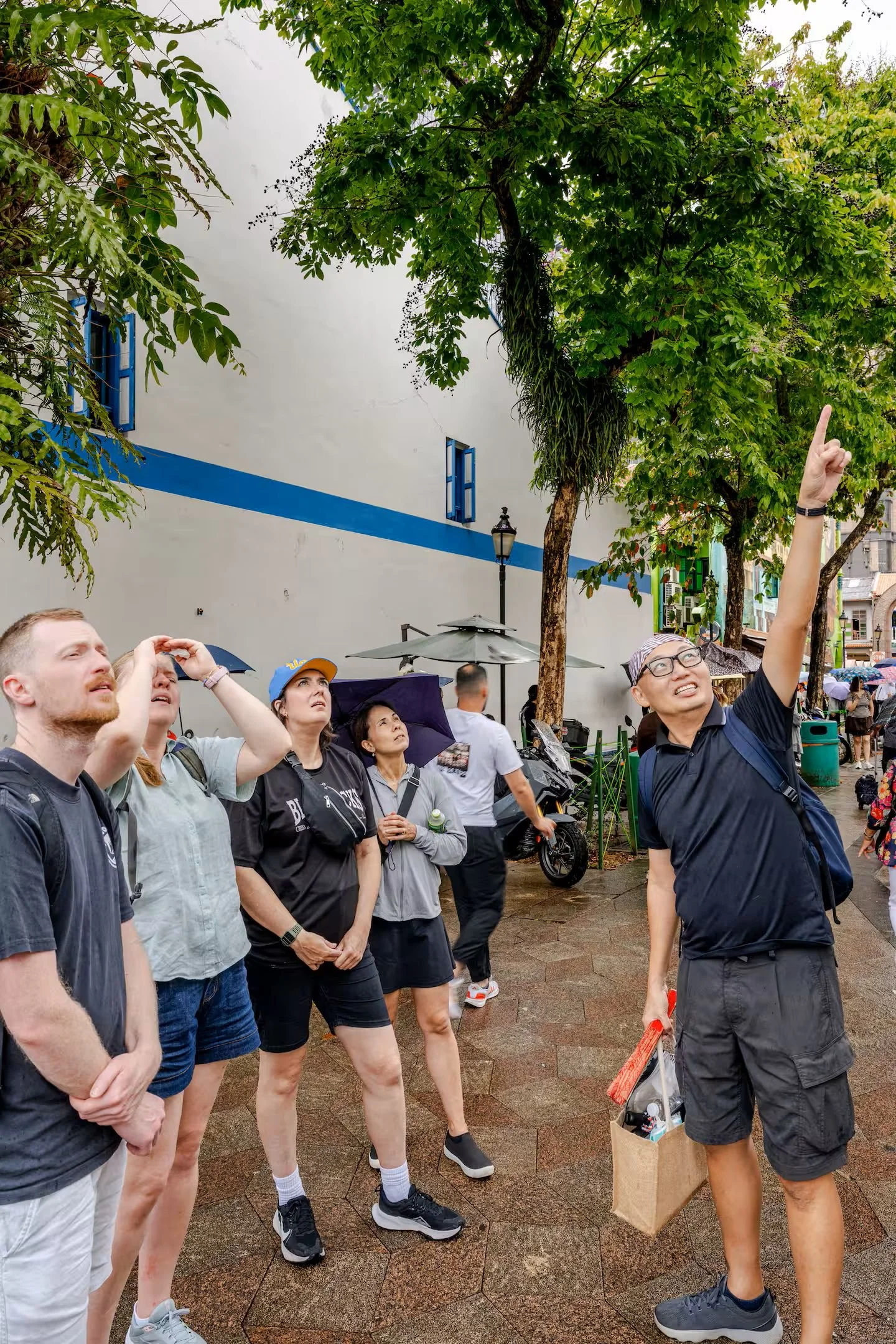
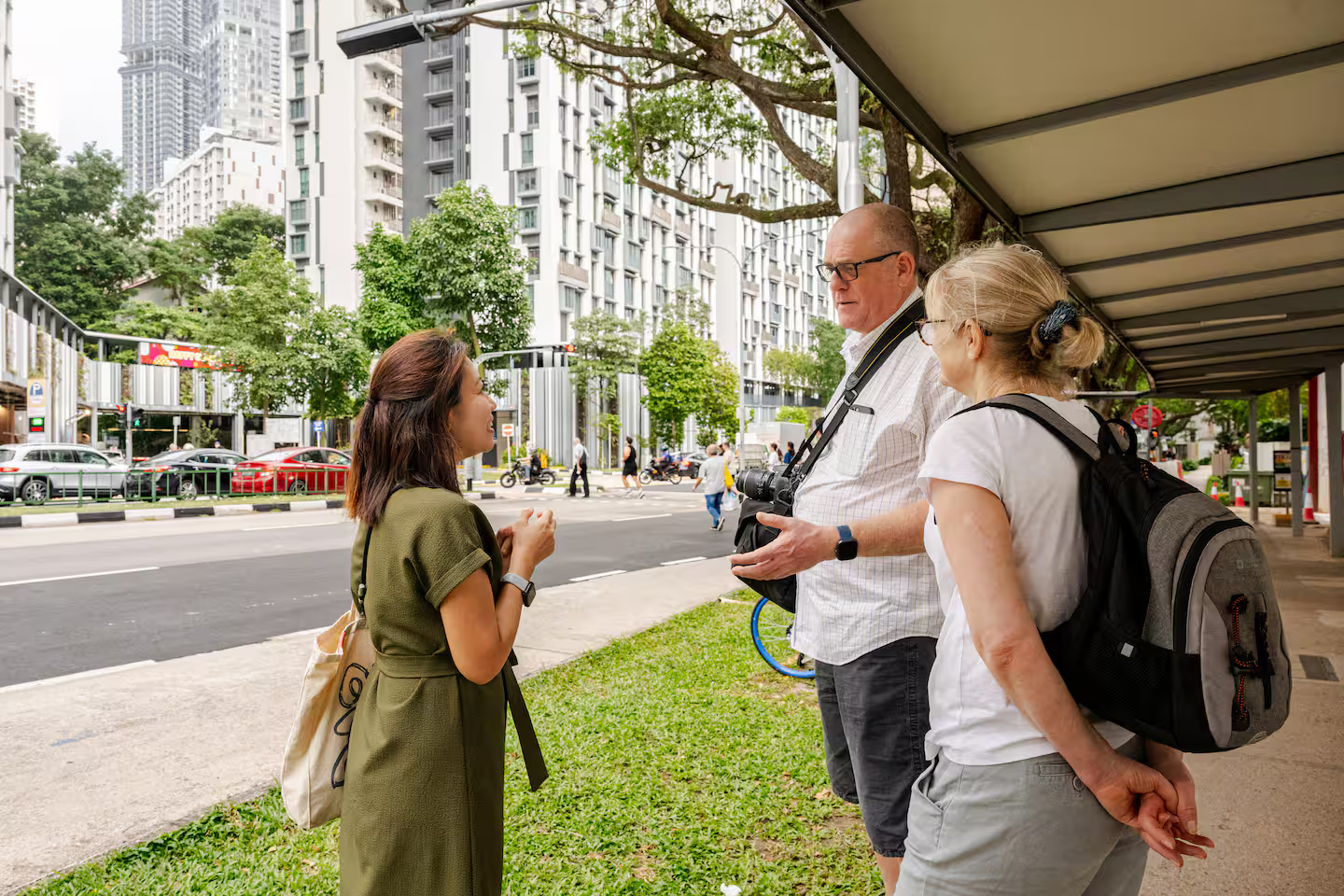
A third-generation Singaporean, Priscilla found her way into guiding through an unexpected path: hospitality operations and learning & development. Years spent learning how to engage people and create memorable experiences turned out to be the perfect foundation for showing visitors her home city.

As a private guide, Priscilla loves helping guests discover the Singapore that exists beyond the usual attractions — the food stalls tucked into heartland neighbourhoods, the everyday rhythms of older districts, and the small moments of humour locals share with each other. Her tours highlight the details that make Singapore feel lived-in: the mix of languages, the cadence of Singlish, and a multicultural food scene that punches well above its weight for such a small country.

For Priscilla, guiding isn't just about pointing out landmarks. It's an invitation into her home.

Ready to explore Singapore with Priscilla?

Why Orchard Road Appeals to Solo Travellers, Couples, and Families Alike

When most people think of Singapore, images of Marina Bay Sands or the towering Supertrees at Gardens by the Bay often come to mind. Yet, nestled in the central region of the city-state lies a retail and lifestyle boulevard that has anchored Singapore’s identity for decades. Orchard Road is globally renowned as a shopping paradise, but reducing it to merely a collection of luxury boutiques misses its true charm. Over the years, this tree-lined avenue has transformed into a dynamic lifestyle hub that caters remarkably well to different travel styles and priorities.


Whether you’re navigating the city independently, exploring with a partner, or managing an energetic multi-generational group, the sheer variety of things to do in Orchard Road makes it an accessible, rewarding destination. Here’s a grounded look at why this iconic area continues to appeal to a wide range of visitors.


1) Walkability and Excellent Connectivity


One of Orchard Road’s greatest strengths is how easy it is to explore. Wide pavements shaded by trees, clear signage, and multiple MRT stations make moving around effortless. You can hop between malls without breaking a sweat, or duck into air-conditioned underground walkways that connect major complexes to avoid the tropical heat or sudden showers.


For families, stroller-friendly paths and escalators keep logistics simple. If you’re travelling solo, the ease of strolling from one point to another without constantly navigating busy crossings can be quite liberating. Couples, meanwhile, can enjoy leisurely strolls without worrying about traffic or detours. Orchard Road is an ideal example of urban planning done right: practical and people-friendly, designed to make every journey smoother.


2) A Balance Between Luxury and Accessibility


Orchard Road is often associated with glamour, but it’s not all designer labels and high-end boutiques. Alongside luxury brands, you’ll find local designs, budget-friendly shops, and everyday retail options. Because of this balanced mix, visitors can easily tailor their day to match their needs, budget, and personal style.


Travelling with family? Head into large department stores to pick up practical clothing, snacks, or daily essentials for the kids without breaking the bank. Couples or solo tourists, meanwhile, can spend hours exploring global flagship stores and souvenir shops, including pop-ups featuring local designers and artists.


Whether you’re in the mood to splurge on a statement piece or simply browse for everyday finds, Orchard Road offers both indulgence and accessibility in equal measure.


3) Dining Options for Different Budgets and Preferences


Aside from the shops, food is where Orchard Road shines. It’s where you can eat exactly how you want no matter your budget or group size. The culinary scene spans from bustling food courts to casual cafes and popular Michelin-starred restaurants.


Couples can linger over fine dining, solo travellers can grab a quick bite between shops, and families can enjoy diverse menus that keep adventurous adults and picky toddlers satisfied. From bubble tea kiosks to European-style bistros, the dining scene here reflects Singapore’s multicultural flavour. Eating along Orchard Road can be as simple or as memorable as you want it to be.


4) Entertainment Beyond Shopping


Shopping may be the heartbeat of Orchard Road, but entertainment keeps the rhythm lively. Cinemas like Shaw Theatres offer blockbuster escapes, while live music venues, lifestyle spaces, and rooftop bars add sparkle to evenings. Seasonal light-ups also transform the street into a festive stage, drawing crowds for Christmas, Chinese New Year, and other celebrations.


Whether you’re catching a film alone, enjoying music and drinks with a partner, or bringing kids to explore family-friendly attractions and enjoy the decorations, Orchard Road ensures there’s always more than retail therapy on offer. It gives visitors easy ways to extend the day, especially when shopping alone isn’t enough to keep everyone engaged.


5) Comfortable Spaces for Both Fast and Slow Travel


Everyone moves at a different speed when they travel, and Orchard Road is designed to accommodate both the efficient planners and the leisurely drifters. The entire avenue is punctuated with spaces that allow you to change your pace whenever you need to.


If you’re on a tight timeline, the close proximity of major malls, dining spots, and attractions means you can fit multiple activities into a single morning. But if you prefer to practise “slow travel,” you’ll find plenty of calmer pockets nearby, like cafés, hotel lounges, green spaces, and museums. You can spend hours hopping between malls or simply settle into a café and watch the world go by. Couples often enjoy lingering over dessert, while families appreciate rest stops where kids can recharge. The mix of bustling energy and quiet corners makes Orchard Road versatile enough for every mood.


6) Easy Access to Nearby Attractions and Green Spaces


What makes Orchard Road even more appealing is what lies just beyond it, especially if you need a break from the buildings and retail shops. A short walk or a quick MRT ride brings you straight to the Singapore Botanic Gardens, a UNESCO World Heritage Site, offering lush greenery and tranquil spaces to relax. Fort Canning Park, with its historic trails and picnic spots, is equally close. These nearby escapes provide balance—and options.


Those travelling solo find quiet reflection, couples discover romantic corners, and families enjoy open spaces where kids can run free. Ultimately, Orchard Road isn’t just a single destination but a gateway to nature and culture.


 When you look at the big picture, Orchard Road appeals to solo travellers, couples, and families because it’s never confined to just one kind of experience. Different styles of travel sit comfortably side by side here, from high-energy shopping and dining to quiet pockets of calm and easy access to nature. No matter how you choose to explore, this iconic avenue gives you a version of Singapore that feels entirely your own.

Hello Singapore
Why Singapore Has Become the Go-To Destination for the Modern Career Traveller

Not so long ago, a business trip was exactly that - a trip taken for business. You flew in, attended the meetings, flew out. The city beyond the hotel lobby and the conference room was largely incidental. A nice view, perhaps, if you were lucky with the room allocation. Rarely a destination in its own right.

That model has been quietly dismantled. A new kind of professional traveller has emerged - one who arrives with a full schedule of work commitments and an equally deliberate plan for everything outside them. They are extending stays by two or three days. They are booking guided food tours on Thursday evenings and heritage walks on Saturday mornings. They are, in short, treating the destination as something worth experiencing, not just something worth visiting.

And increasingly, the destination they are choosing is Singapore.

The Numbers Behind the Shift

The trend has a name - bleisure travel, the blending of business and leisure - and the data behind it has become impossible to ignore. A 2024 survey by the Global Business Travel Association found that 65% of business travellers extended their work trips for personal leisure in the past year. That figure represents a fundamental shift in how professionals think about being away from home - and in what they expect from the cities they pass through.

Singapore is not merely participating in this trend. It is one of the key destinations driving it, with hotel occupancies rising by as much as 18% as business travel increasingly extends into leisure time. The city-state has, in a relatively short period, positioned itself as one of the most compelling places in the world to combine professional purpose with genuine cultural immersion - and the reasons for that are worth understanding.


A City Built for the Professionally Ambitious

Part of Singapore's appeal to the modern career traveller is structural. The city's infrastructure is world-class by any measure - reliable, efficient, and navigated with an ease that genuinely surprises first-time visitors. Getting from the financial district to a heritage neighbourhood, from a morning conference to an afternoon walking tour, requires neither a car nor a complicated itinerary. The city is compact enough to be explored seriously, and organised well enough that serious exploration is never logistically daunting.

The professional ecosystem reinforces this. According to the 2025 Global Financial Centres Index, Singapore ranked fourth globally and second in Asia in Business Environment - a reflection of the regulatory stability, rule of law, and commercial infrastructure that make it one of the most attractive locations in the world for international business. For professionals whose work involves the financial, technology, or professional services sectors, Singapore is not a peripheral destination. It is increasingly a central one.

That centrality draws a particular kind of visitor - ambitious, curious, often senior in their field - who has both the means and the motivation to make the most of time spent in the city. And that visitor, once they move beyond the standard business hotel and conference circuit, tends to find a city that rewards the investment handsomely.

The Upskilling Dimension

What sets the modern career traveller apart from previous generations of business visitors is not just the desire to explore. It is a broader orientation toward using time purposefully - toward returning from a trip with more than just completed meetings to show for it.

For a growing share of professionals, that means combining a work trip with structured learning. Singapore has become a regional hub for professional education in technology and AI, attracting professionals from across the Asia-Pacific who are making the journey specifically to invest in skills that their home markets may not yet offer at the same level of quality or accessibility.

This is the kind of visitor who books into a data analytics intensive or enrols in a short course before their flight home - who sees the trip as an opportunity to advance professionally in ways that go beyond the meeting room. For the career traveller looking to make that extra time count, providers like Heicoders Academy, a Singapore-based technology training provider specialising in AI and data analytics, offer structured, practical programmes in skills that are in high demand across the region and increasingly difficult to access at the same level of quality elsewhere in Asia-Pacific. The combination - professional development by day, cultural exploration in the margins - is precisely what the modern career traveller is looking for.

What Singapore Offers That Other Cities Cannot

The bleisure conversation tends to focus on infrastructure and logistics, but the most compelling reason professionals extend their stays in Singapore is cultural - and that is harder to replicate.

Singapore is, genuinely and unusually, several cities in one. The gleaming financial district and the low-rise shophouses of Chinatown occupy the same square kilometre. Kampong Glam's Arab Street sits minutes from the modern galleries of the Civic District. The hawker centre - one of Singapore's most distinctive cultural institutions, and one recognised by UNESCO for its significance - offers the best argument for staying longer that the city has to produce: food that is exceptional, democratic, and entirely unique to this place.

For the career traveller who wants to understand Singapore rather than simply pass through it, these layers reward guided exploration. The neighbourhoods tell a story about migration, trade, cultural coexistence, and rapid modernisation that no briefing document conveys. Walking them with a knowledgeable local guide turns a stopover into something genuinely educational - which, for this particular kind of professional, is precisely the point.

Making the Most of the Extended Stay

The professionals who get the most from an extended stay in Singapore are those who plan the margins as deliberately as they plan the meetings. A few days of genuine exploration - spread across the city's distinct districts, anchored by good food, guided by local knowledge - can transform the entire character of a work trip.

The practical advice from those who have done it consistently: resist the gravitational pull of the hotel vicinity. Singapore's most interesting experiences are distributed across the island, and each neighbourhood has its own distinct personality that a single afternoon in the central business district does not reveal. Chinatown's clan houses and heritage temples. The Peranakan architecture of Joo Chiat. The night markets and colonial buildings of Little India. The waterfront at Kampong Glam at dusk. These are not sights to be ticked off a list - they are contexts to be understood, and the difference between ticking and understanding is usually the presence of someone who knows the stories behind what you are looking at.

That is what a well-designed guided tour offers - not a narrated walk past landmarks, but an introduction to a place that makes subsequent solo exploration richer and more meaningful. For the career traveller who arrives in Singapore with two or three days to spare and a genuine curiosity about where they have landed, that introduction is the most valuable thing the city can offer.

The City That Justifies the Detour

Singapore has long been a stopover city - a place people passed through on the way to somewhere else, spending a night or two and moving on. What has changed is that a growing number of professionals are choosing to stop moving on quite so quickly.

The combination of world-class professional infrastructure, a compact and walkable city, a genuinely distinctive cultural landscape, and a growing ecosystem of structured learning opportunities has made Singapore a destination that rewards staying longer than the itinerary strictly requires.

The modern career traveller understands this. The flight home can wait another few days. There is more here than the meetings covered - and the professionals who take the time to find it tend to leave with considerably more than they arrived with.


Hello Singapore
Discover Singapore: Top Sights & Hidden Gems

Planning your Singapore to-do list can feel exciting—and a little overwhelming at the same time. This vibrant city-state may be small on the map, but it offers a rich mix of culture, food, history, and modern attractions that can easily fill your days.

In Singapore, it’s not just about visiting famous landmarks—it’s about experiencing how everything comes together. From futuristic skylines and lush green spaces to colorful neighborhoods and world-famous food, every corner of the city tells a story.

This guide will walk you through some of the must-see sights and hidden gems, giving you a better idea of what to expect and how to make the most of your time.

Merlion statue with Marina Bay Sands skyline in Singapore at sunset

A Skyline Like No Other

No trip to Singapore is complete without seeing its iconic skyline. The futuristic design of Marina Bay Sands stands proudly along the waterfront, offering one of the most recognizable views in the world. Nearby, the famous Merlion Park gives you that classic photo moment—half lion, half fish, and completely symbolic of the city’s history as a fishing village.

As the sun sets, the entire bay transforms into a glowing display of lights, making it one of the best places to simply pause and take it all in.

Gardens That Feel Like the Future

Singapore is known as a “City in a Garden,” and nowhere shows this better than Gardens by the Bay. The towering Supertrees look like something out of a sci-fi movie, but they’re actually vertical gardens designed with sustainability in mind.

Walk through the cooled conservatories or enjoy the outdoor gardens—it’s a refreshing break from the city’s fast pace. Even if you’re not a plant lover, the creativity and design here are hard to ignore.

Cultural Streets Full of Stories

Beyond the modern skyline, Singapore’s charm truly comes alive in its neighborhoods.

In Chinatown, you’ll find a blend of old and new—traditional temples standing beside trendy cafes and souvenir shops. Just a short walk away, Sri Mariamman Temple adds a vibrant splash of color and culture, showcasing the city’s deep-rooted diversity.

Each street tells a story, and walking through these areas gives you a glimpse of how different cultures have shaped Singapore into what it is today.

Food That Brings People Together

Let’s be honest—food is a huge part of any Singapore experience. From hawker centers to small local eateries, the city is a paradise for food lovers.

You’ll find dishes influenced by Chinese, Malay, Indian, and even Western cuisines—all in one place. It’s not just about eating; it’s about understanding the culture through flavors. Sitting at a shared table in a hawker center is one of the simplest yet most authentic experiences you can have.

Easy to Explore, Hard to Forget

One of the best things about Singapore is how easy it is to get around. The public transport system is efficient, clean, and tourist-friendly. This means you can cover a lot in a short time, making it perfect for travelers with limited days.

But don’t rush too much. The beauty of Singapore isn’t just in ticking off landmarks—it’s in the small moments. A quiet walk along the river, discovering a hidden alley, or simply enjoying a cup of local coffee can be just as memorable.

What to Expect on Your Visit

Singapore offers a balance that few destinations can match. It’s modern yet traditional, busy yet organized, and diverse yet harmonious. Whether you’re exploring famous landmarks or diving into local neighborhoods, every experience adds a new layer to your journey.

So when you’re planning your Singapore to-do list, think beyond the usual highlights. Leave room for curiosity, spontaneity, and discovery—that’s where the real magic happens.

Singapore Walking Tours: Explore City in 6 Hours

If you only have a short time in Singapore but still want to experience the heart of the city, a 6-hour walking tour is one of the best ways to do it. Compact, efficient, and full of variety, Singapore offers a unique blend of cultures, food, and history—all within walking distance.

A well-planned walking tour lets you go beyond the usual tourist spots. You won’t just see Singapore—you’ll understand it.

Why Choose a Walking Tour in Singapore?

Singapore is known for being clean, safe, and easy to navigate. Its well-connected streets and shaded walkways make it ideal for exploring on foot. A walking tour also gives you flexibility. You can slow down, take photos, try local snacks, and discover hidden corners that buses and cars simply can’t reach.

Most importantly, a guided walking tour helps bring the city to life through stories, history, and local insights.

What You Can Cover in 6 Hours

A 6-hour walking tour in Singapore can include a mix of heritage, culture, modern landmarks, and food experiences. Here’s a sample route that offers a well-balanced experience:

Chinatown – Where Old Meets New

Start your journey in Chinatown Singapore, one of the city’s most vibrant heritage districts. This area reflects Singapore’s early Chinese immigrant roots.

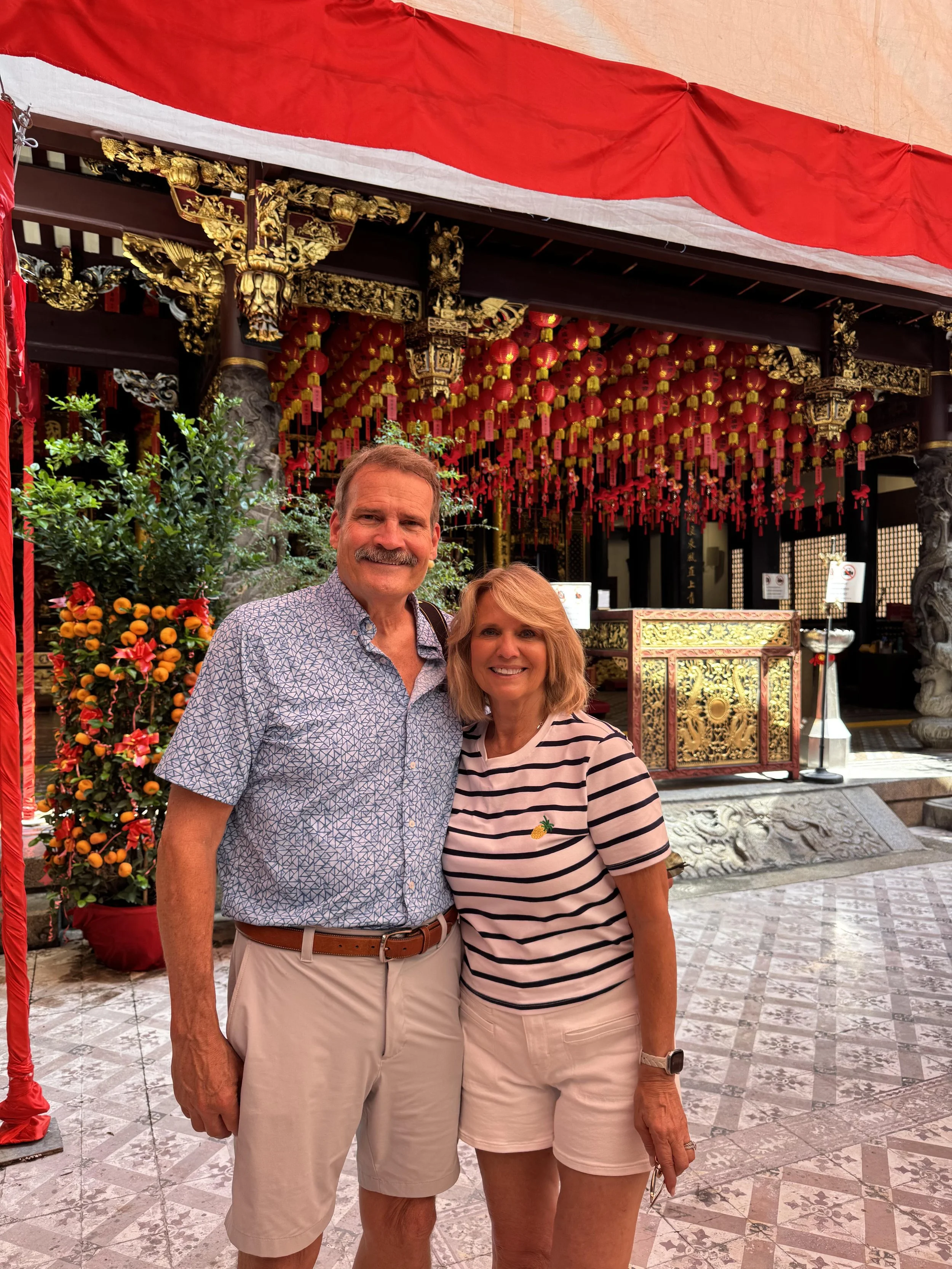
Visit the beautiful Thian Hock Keng Temple, one of the oldest Hokkien temples in the country. Built without nails, it stands as a testament to traditional craftsmanship and spiritual devotion.

Just a short walk away, you’ll find Sri Mariamman Temple, Singapore’s oldest Hindu temple. Its colorful tower filled with intricate carvings offers a striking contrast and highlights the city’s multicultural harmony.

While in Chinatown, take a break and try a local favorite—pandan chiffon cake or traditional snacks from small local shops.

Singapore River – The City’s Lifeline

Continue your walk towards the iconic Singapore River, where the city’s trading history began.

Along the river, you’ll pass landmarks like Clarke Quay and Boat Quay. These areas were once busy trading ports and are now lively lifestyle spots filled with restaurants and bars.

Your guide can share stories about how Singapore transformed from a small trading port into a global financial hub.

Merlion Park – A Must-See Landmark

No visit to Singapore is complete without a stop at Merlion Park. The Merlion, a half-lion, half-fish statue, represents Singapore’s origins as a fishing village and its evolution into the “Lion City.”

This is also one of the best photo spots in the city, with views of the skyline and the famous Marina Bay Sands in the background.

Marina Bay – Modern Singapore

Walk along the stunning Marina Bay, where modern architecture meets scenic waterfront views.

Here, you can explore the futuristic Gardens by the Bay, known for its Supertree structures and eco-friendly design. Even a short visit gives you a glimpse into Singapore’s vision for a sustainable future.

Little India or Kampong Glam – Cultural Immersion

Depending on your interest, your tour can continue to either Little India Singapore or Kampong Glam.

In Little India, expect vibrant streets, spice shops, and traditional Indian culture. Meanwhile, Kampong Glam offers a mix of Malay heritage and trendy spots, highlighted by the stunning Sultan Mosque.

Both areas provide a deeper look into Singapore’s diverse identity.

Food Stops Along the Way

A walking tour isn’t complete without food. Singapore is famous for its hawker culture, and along your route, you can stop to try local dishes like:

  • Hainanese chicken rice

  • Laksa

  • Satay

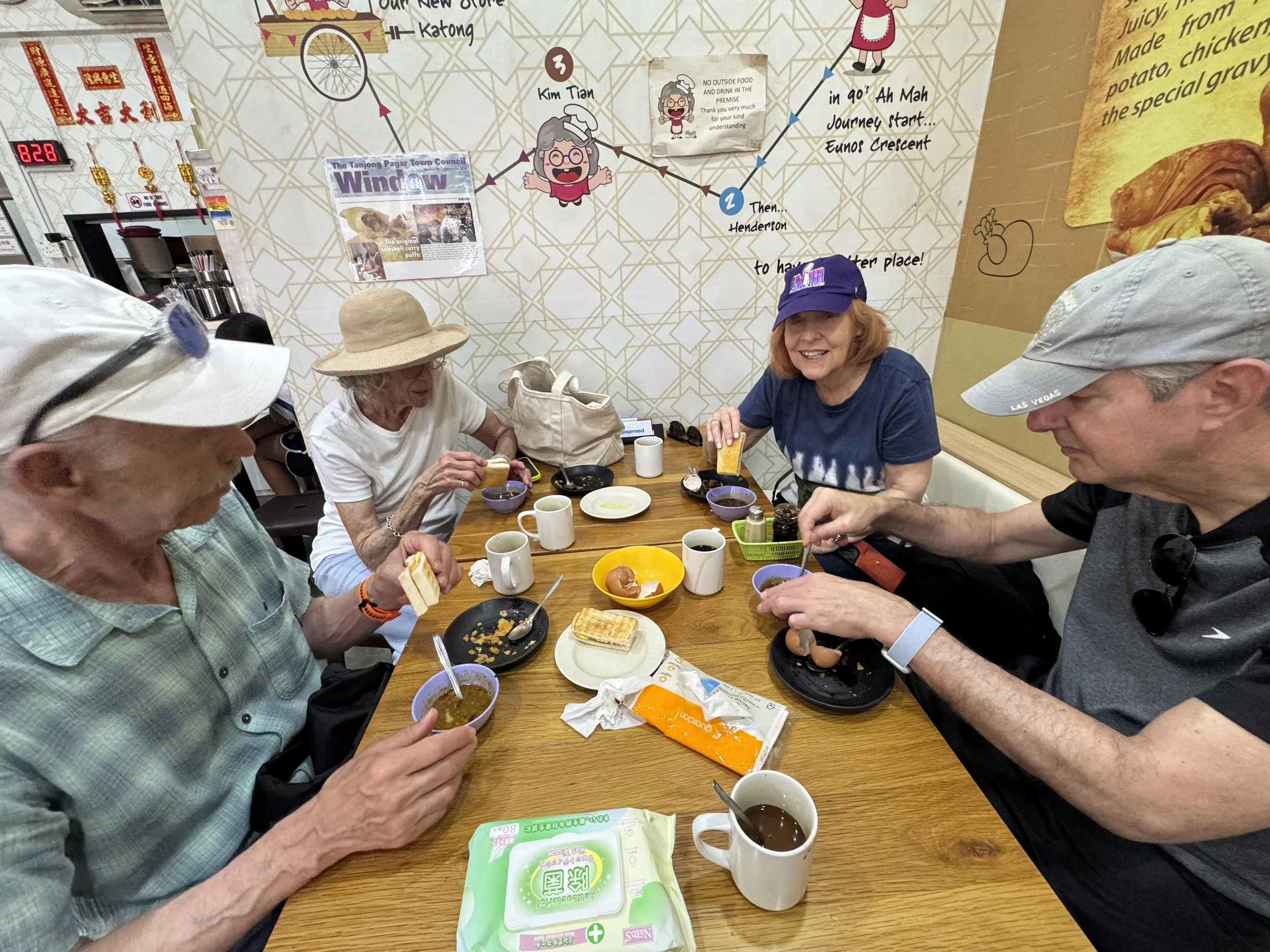
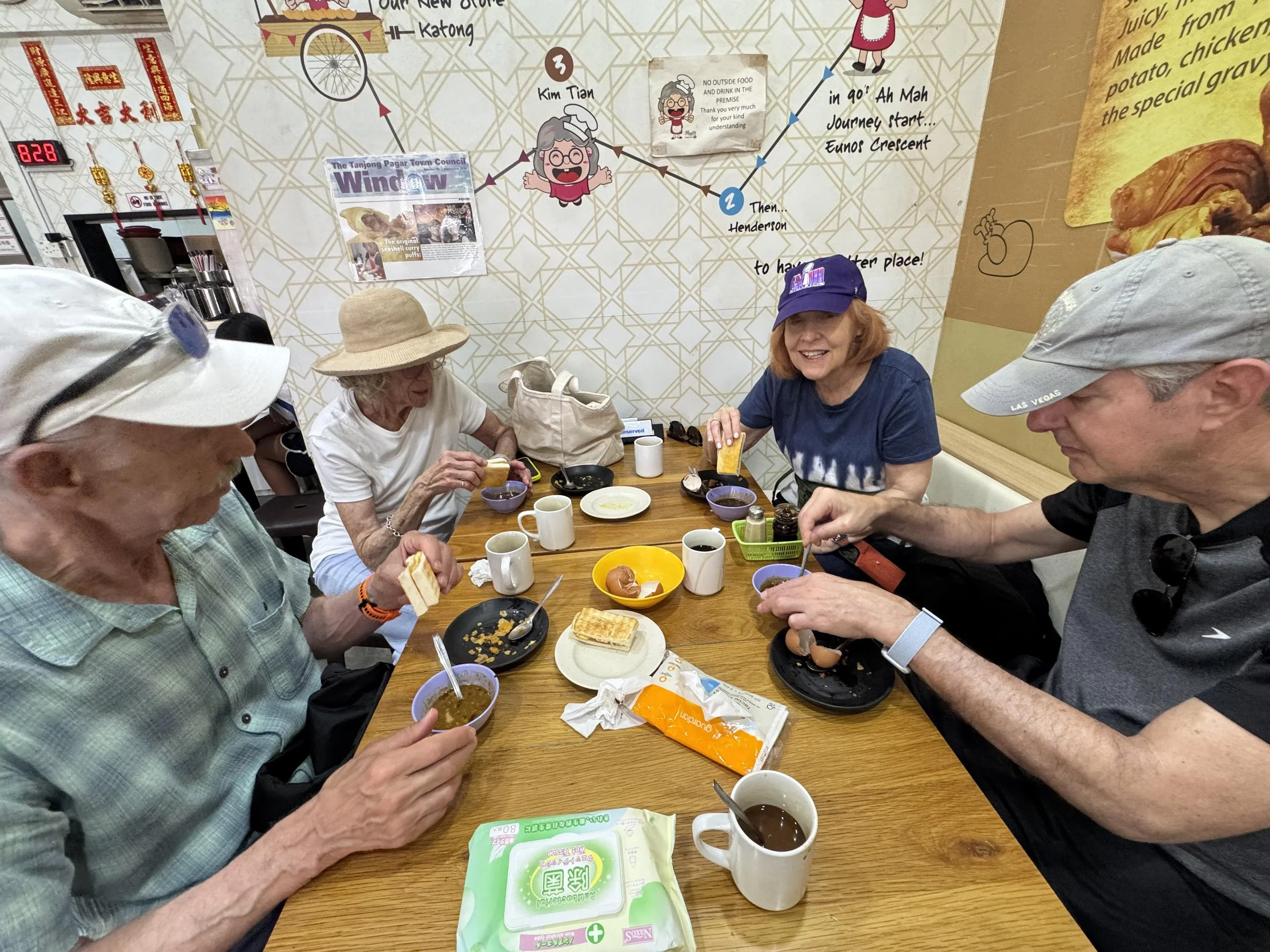
  • Kaya toast and kopi

Your guide can recommend the best spots based on your preferences, making the experience more personal and authentic.

What to Expect from a 6-Hour Tour

A typical 6-hour walking tour includes:

  • Flexible itinerary based on your interests

  • Cultural and historical insights

  • Food recommendations or tastings

  • Easy pace with breaks

It’s not just about covering many places—it’s about experiencing Singapore in a meaningful way.

Final Thoughts

A 6-hour walking tour in Singapore is the perfect introduction to the city. In just half a day, you can explore historic neighborhoods, modern landmarks, and taste local flavors—all while learning the stories behind them.

Whether it’s your first visit or a return trip, walking through Singapore offers a deeper connection that you won’t get from simply passing by.

If you want to truly experience the city, step out, explore on foot, and let Singapore unfold in front of you—one street at a time.

Singapore in June Weather Guide & What to Expect

If you’re wondering whether June is a good time to visit the Little Red Dot, the answer is a resounding yes—provided you know the local secrets. While the rest of the world is just warming up, Singapore in June is a high-octane mix of sun-drenched skylines, legendary shopping deals, and a festival calendar that’s bursting at the seams.

Think of June as the city's "Golden Window." Yes, it’s tropical, and yes, you’ll likely encounter a dramatic afternoon splash of rain, but that’s all part of the charm. It’s the month where the city truly comes alive after dark with neon art installations, and the air-conditioned malls of Orchard Road become a sanctuary for bargain hunters. Whether you’re here to dive into the world-class food scene or explore lush vertical gardens that look like they’ve been plucked from a sci-fi movie, June offers a vibrant energy that’s hard to beat.

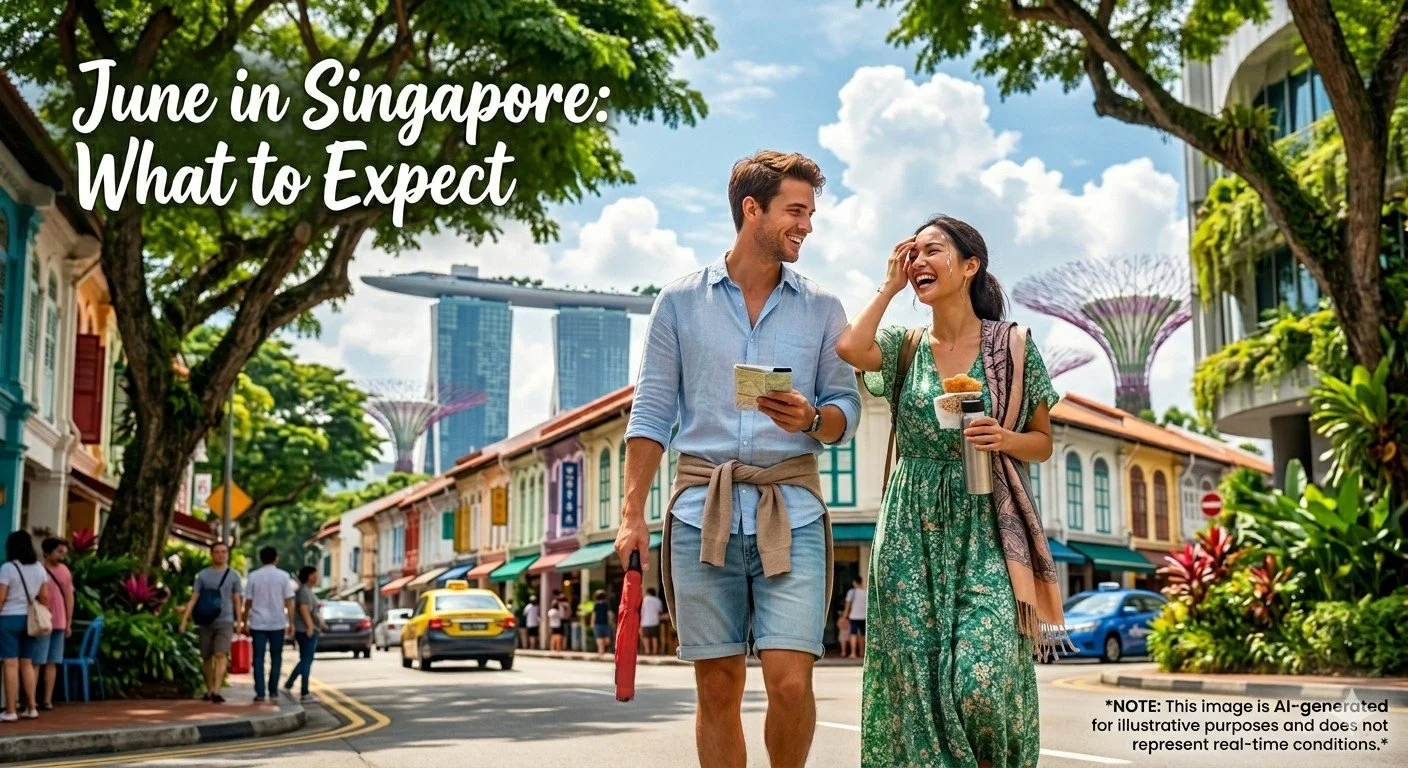
Tourists exploring a colorful street in Singapore with Marina Bay Sands in the background during a sunny day in June.

Grab your sunnies and a light jacket (trust us, the AC is no joke!)—here is everything you need to know about experiencing Singapore in June.

Singapore Weather in June: What to Expect

June marks the beginning of the Southwest Monsoon season. Unlike the heavy, lingering rains of December, June rainfall usually comes in short, sharp bursts known as "Sumatra Squalls." These are actually a blessing; they clear the humidity and leave the air feeling fresh for your evening plans.

The Numbers at a Glance:

  • Average High: 31°C (88°F)

  • Average Low: 26°C (79°F)

  • Humidity: 70% – 90%

  • Rainy Days: 12 to 15 days (mostly short-lived showers)

The sun is intense in June. You can expect about 7 hours of daily sunshine, which is higher than the year-end months. However, the humidity can make 31°C feel significantly hotter, so pacing yourself with a "stop-and-snack" strategy at a local hawker center is the way to go.

Packing Essentials: The "June Kit"

To stay comfortable, you need to balance sun protection with "indoor winter" (the city is famous for its powerful air-conditioning).

  1. Breathable Fabrics: Stick to linen, cotton, or moisture-wicking athletic gear. Heavy denim is your enemy in this humidity.

  2. The "AC Layer": Malls, cinemas, and trains are kept at very cool temperatures. Carry a lightweight cardigan or a stylish scarf to avoid the "fridge effect."

  3. Footwear: Comfortable, waterproof walking sandals are the MVP. If you prefer sneakers, bring a spare pair of socks in case you get caught in a 20-minute downpour.

  4. UV Protection: A high-SPF sunscreen and a compact, windproof umbrella—which locals often use as a parasol to stay cool in the sun.

June 2026 Events You Can’t Miss

June is one of the most culturally active months in Singapore. Whether you’re a foodie, an art lover, or a shopaholic, the city has a dedicated festival for you.

  • i Light Singapore (June 5 – 28): The Marina Bay waterfront transforms into an open-air gallery of sustainable light art installations. It’s best visited after 7:30 PM when the air is cooler and the city glows.

  • GastroBeats 2026: Usually held at the Bayfront Event Space, this is a massive celebration of food, music, and "Instagrammable" fun zones. It's the ultimate place to try trendy local snacks.

  • The Great Singapore Sale (GSS): June is peak shopping season. From luxury brands on Orchard Road to quirky finds in independent boutiques, this is when the city goes on sale.

  • i-dle WORLD TOUR [Syncopation] (June 13): For K-pop fans, the city’s concert calendar is heating up with major global acts hitting the Indoor Stadium.

Pro Tips for a June Visit

  • Morning for Nature, Afternoon for Culture: Visit the Botanic Gardens or Gardens by the Bay before 10:00 AM. Spend the sweltering 1:00 PM – 4:00 PM window inside the ArtScience Museum or the National Gallery.

  • Download the "myENV" App: This app provides real-time rain alerts. If a squall is coming, you’ll have a 15-minute head start to duck into a cafe for a Kopi C.

  • Stay Hydrated: You’ll lose more fluids than you realize. Tap water in Singapore is perfectly safe to drink, so carry a reusable bottle to stay refreshed on the go.

Hello Singapore
Private Guided Car Tour in Singapore Itinerary Ideas

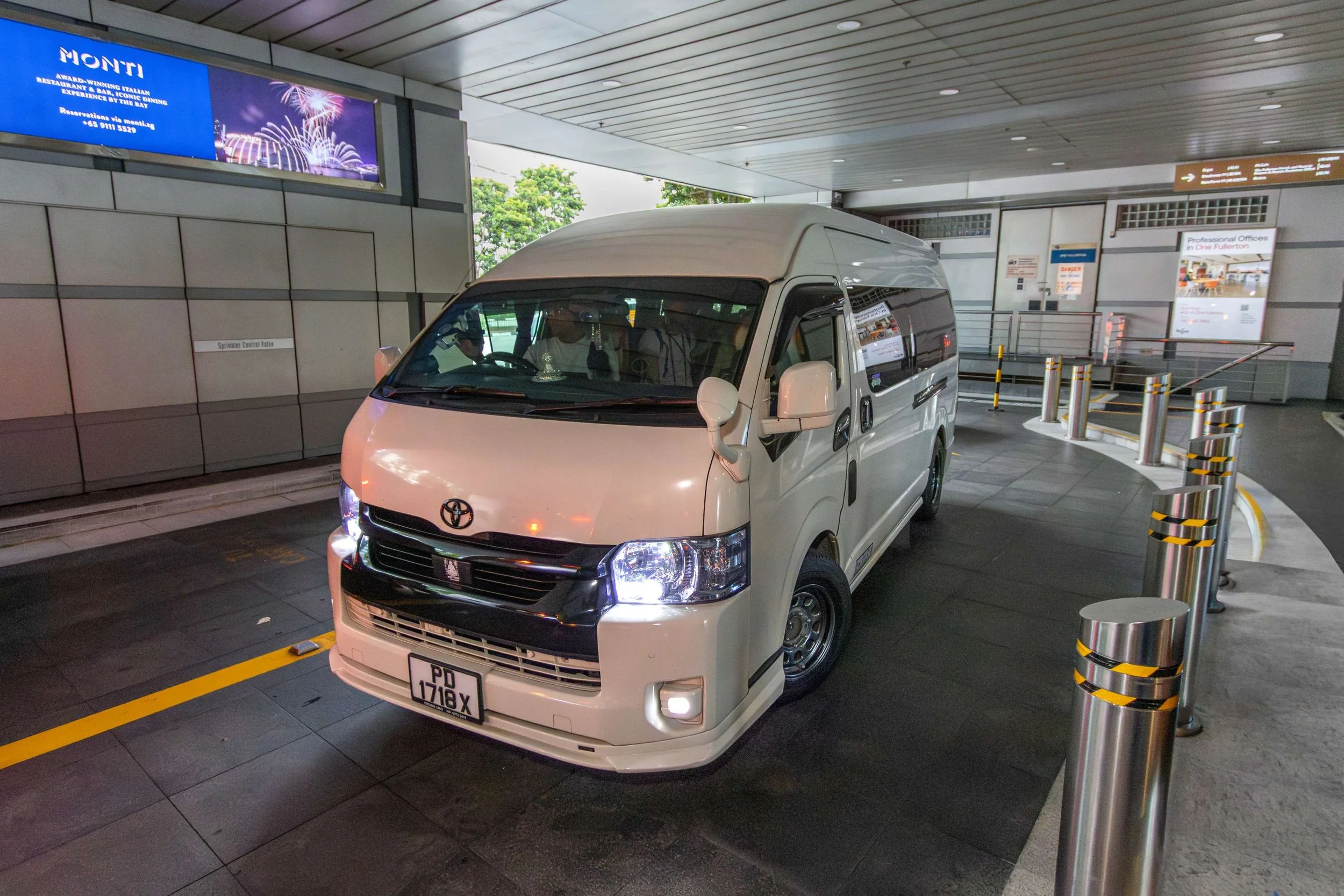
A private guided car tour in Singapore offers a flexible and comfortable way to explore the city. Instead of following fixed group schedules, itineraries can be fully customised based on interests such as culture, food, heritage, architecture, or local neighbourhood life.

This style of touring allows smooth travel between districts while enjoying deeper storytelling at each stop.

Chinatown – Heritage, Temples, and Local Flavours

Chinatown is one of the most historic districts in Singapore, blending tradition, spirituality, and food culture.

Key highlights include:

  • Thian Hock Keng Temple
    One of the oldest and most significant Chinese temples, dedicated to Ma Zu Po, the goddess of the sea. Built without nails, it reflects traditional Southern Chinese architecture and early migrant history.

  • Local food experience
    Pandan chiffon cake, a soft and fragrant dessert made with pandan leaves, is a popular Singaporean treat often found in traditional bakeries.

  • Sri Mariamman Temple
    The oldest Hindu temple in Singapore, known for its detailed tower (gopuram) covered with colourful deities and mythological figures. It represents the deep roots of the Indian community in Singapore.

Little India – Colours, Flavours, and Market Life

Little India offers a sensory-rich environment filled with vibrant sights and traditional flavours.

Highlights include:

  • Tekka Centre (Hawker & Market)
    A lively food centre and wet market offering fresh produce, spices, and local dishes.

  • Roti Prata with Fish Curry
    A classic Indian dish featuring crispy flatbread served with rich, spiced curry.

  • Fresh Coconut Juice
    A refreshing tropical drink commonly enjoyed in the warm climate of Singapore.

  • Wet Market Experience
    A traditional market setting showcasing fresh ingredients, spices, and everyday local life.

Kampong Glam – Malay Heritage and Modern Creativity

Kampong Glam combines history, culture, and modern street life in one district.

Key highlights include:

  • Sultan Mosque
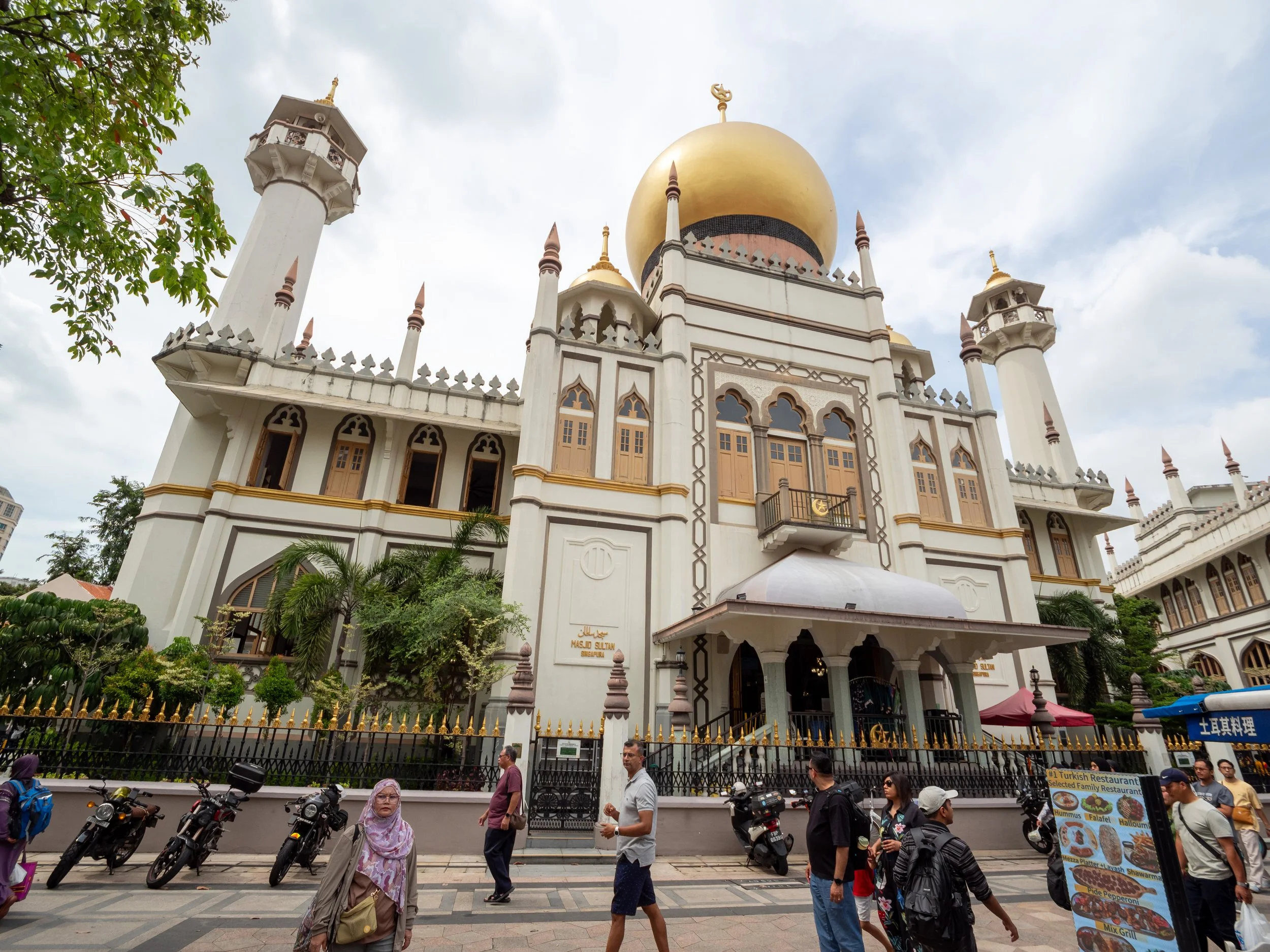
    One of the most important mosques in Singapore, known for its golden dome and historical significance in the Malay-Muslim community.

  • Haji Lane
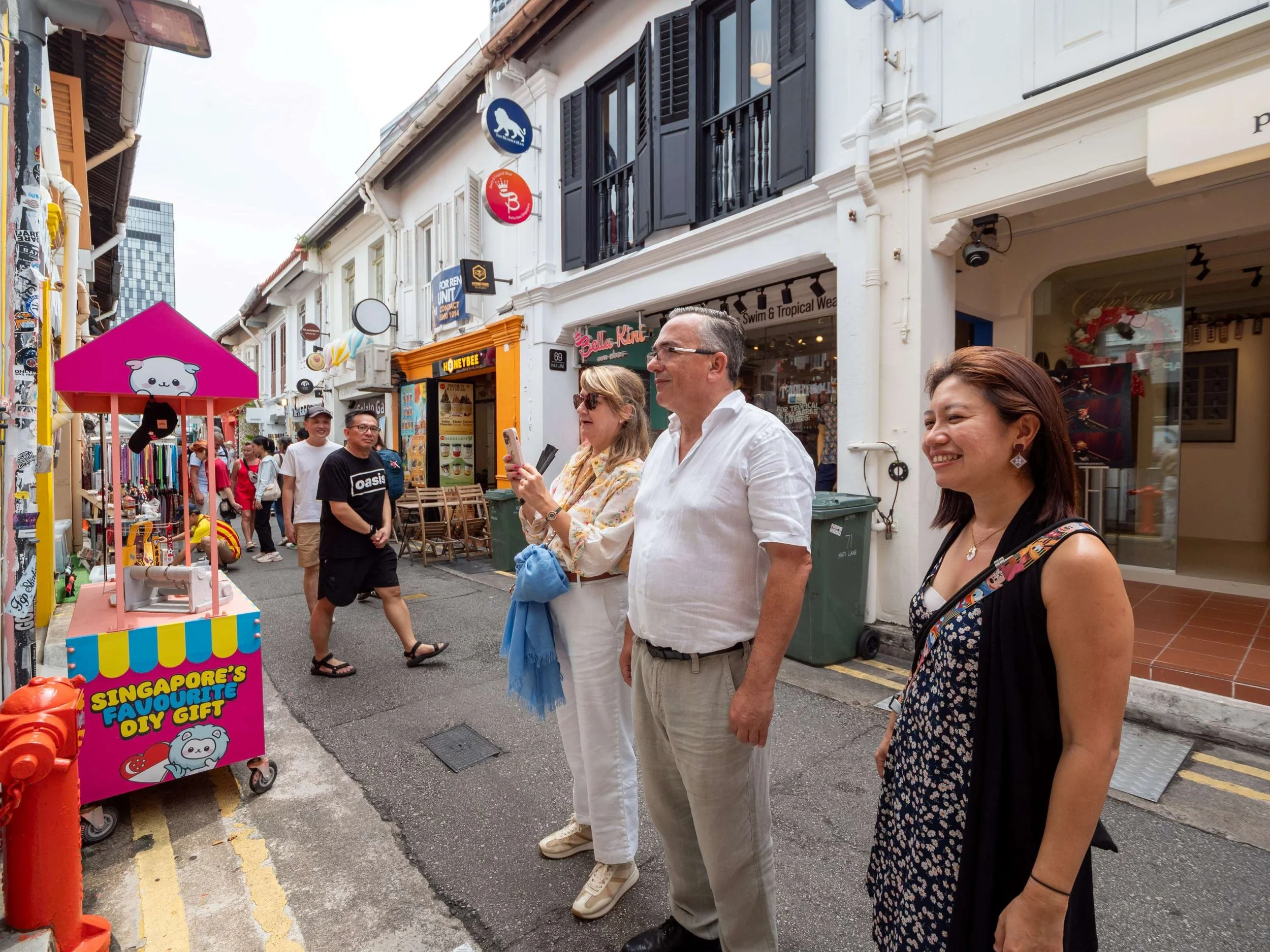
    A narrow street filled with colourful murals, independent boutiques, cafés, and street art.

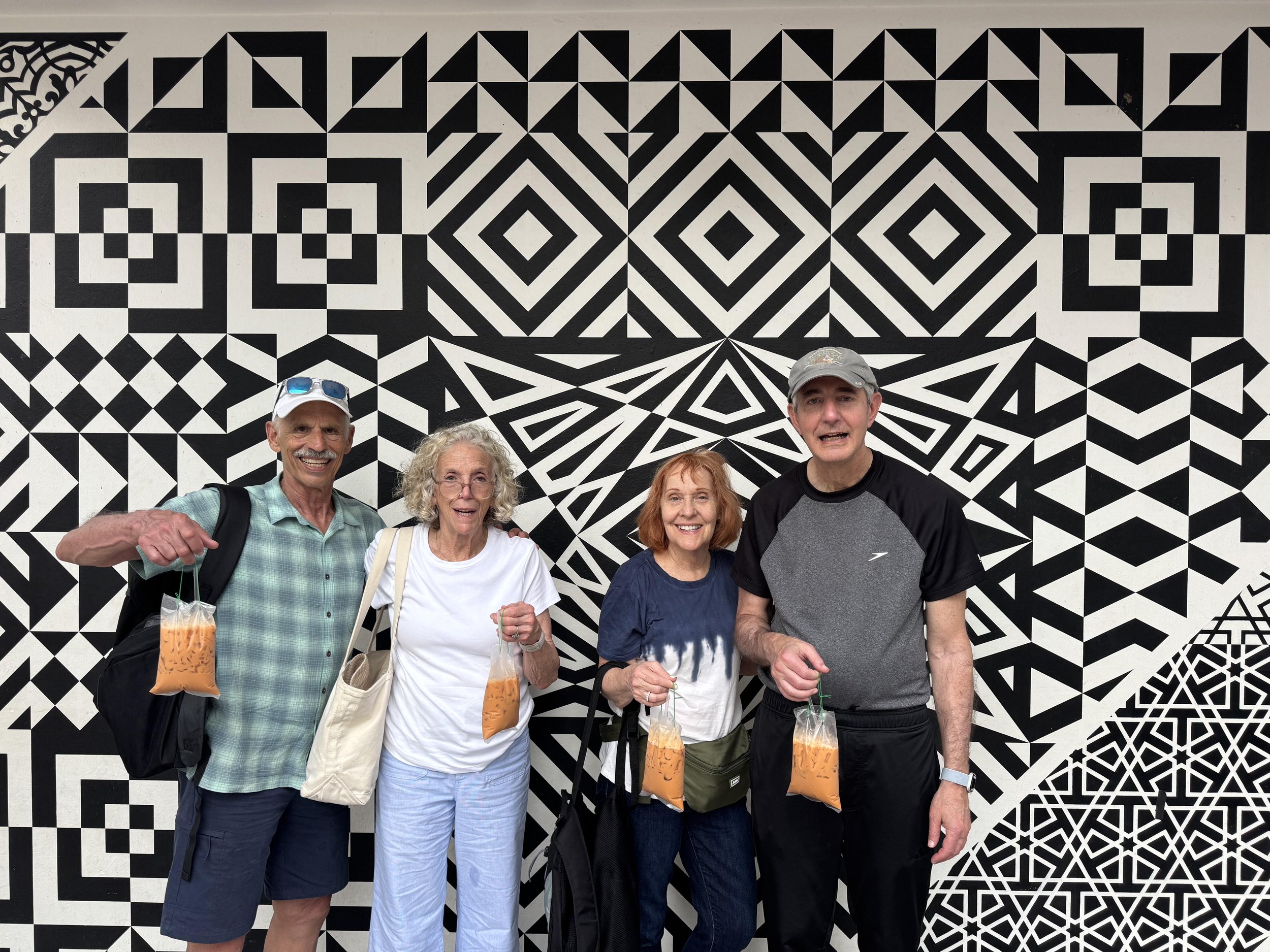
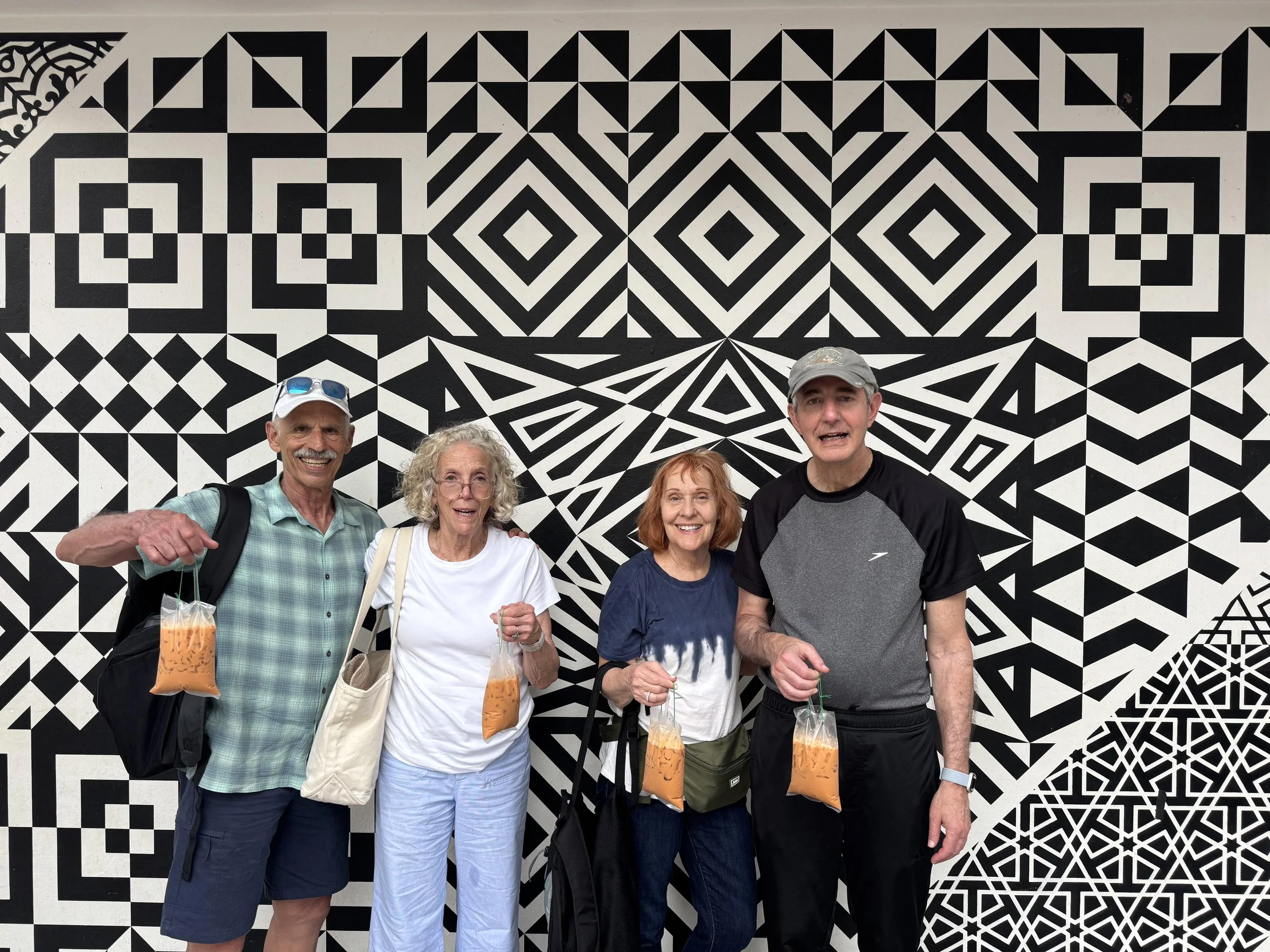
  • Teh Tarik in a Bag
    A local twist on pulled tea, often served sweet and frothy, reflecting Singapore’s casual street beverage culture.

Benefits of a Private Guided Car Tour

A customised private car tour provides several advantages:

  • Flexible itinerary based on personal interests

  • Comfortable travel between districts

  • Deeper cultural understanding through guided storytelling

  • Ability to mix food, history, and lifestyle experiences

  • Ideal for families, couples, and small groups

Singapore Hawker Food Guide: Must-Try Local Dishes

If you’re planning a food tour in Singapore, one experience you simply cannot miss is eating at a hawker centre. These open-air food complexes are at the heart of local life, where affordable, delicious, and culturally rich meals come together in one place.

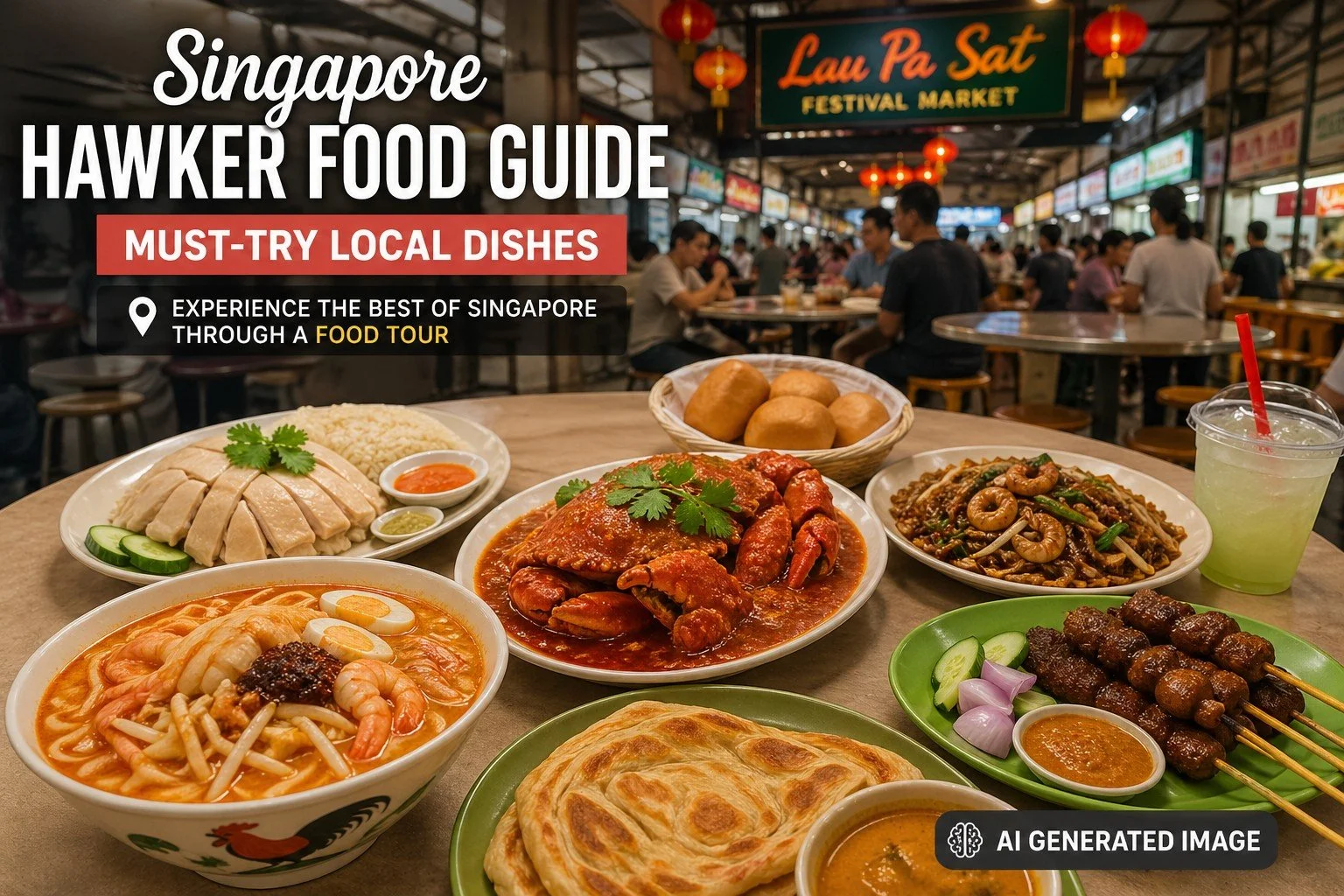
AI-generated image of a Singapore hawker centre featuring popular local dishes like Hainanese chicken rice, chilli crab, laksa, satay, and char kway teow on a table with a busy food market background.

Recognised by UNESCO as part of the world’s intangible cultural heritage, Singapore’s hawker culture is more than just food—it’s a way of life.

This guide will walk you through must-try local dishes and help you make the most of your food tour experience.

What is a Hawker Centre?

Hawker centres are large food halls filled with individual stalls, each specialising in a specific dish. You’ll find a mix of Chinese, Malay, Indian, and Peranakan flavours all under one roof.

Popular spots include:

  • Maxwell Food Centre

  • Lau Pa Sat

  • Chinatown Complex Food Centre

Each offers a slightly different vibe, but all deliver authentic local flavours.

Must-Try Dishes

1. Hainanese Chicken Rice

Often called Singapore’s national dish, Hainanese Chicken Rice is simple yet incredibly satisfying. Tender poached chicken is served with fragrant rice cooked in chicken broth, along with chilli sauce and ginger paste.

Tip: Look for stalls with long queues—it usually means good quality.

2. Chilli Crab

For something bold and messy, try Chilli Crab. Fresh crab is cooked in a thick, slightly sweet and spicy tomato-based sauce. It’s best enjoyed with fried buns (mantou) to soak up the sauce.

This dish is more common in seafood restaurants but sometimes available in larger hawker centres.

3. Laksa

Laksa is a rich and creamy noodle soup made with coconut milk, spices, and seafood. The broth is aromatic and slightly spicy—perfect for those who enjoy bold flavours.

Katong-style laksa is especially popular, where noodles are cut short so you can eat everything with just a spoon.

4. Satay

Grilled over charcoal, Satay is a favourite evening snack. Skewers of chicken, beef, or lamb are served with peanut sauce, rice cakes, and cucumber.

Head to Lau Pa Sat at night when the street turns into a satay market.

5. Char Kway Teow

This smoky stir-fried noodle dish, Char Kway Teow, combines flat rice noodles with eggs, Chinese sausage, prawns, and bean sprouts.

The best versions have a strong “wok hei” (charred aroma), which gives the dish its signature flavour.

6. Hokkien Mee

Hokkien Mee is a comforting mix of yellow noodles and rice vermicelli stir-fried with prawns, squid, and egg in a rich seafood broth.

Don’t forget to squeeze lime and add sambal chilli for extra flavour.

7. Roti Prata

A popular breakfast or late-night dish, Roti Prata is crispy on the outside and soft inside. It’s usually served with curry and can be plain or filled with egg, cheese, or even chocolate.

Tips for Visiting Hawker Centres

  • Go early or late: Avoid peak lunch (12–2 PM) and dinner (6–8 PM) times

  • Reserve your seat: Locals use tissue packets to “chope” (reserve) tables

  • Bring cash: Some stalls don’t accept cards

  • Share dishes: Perfect for trying more variety

Final Thoughts

A food tour in Singapore is one of the best ways to understand the country’s culture. Every dish tells a story—of migration, tradition, and community.

From the comforting taste of chicken rice to the bold flavours of laksa and satay, hawker food offers something for everyone. Whether you explore on your own or join a guided experience, make sure to come hungry—you’ll want to try everything.

AI Travel Planning vs Real Guides in Singapore

Travel planning has changed more in the last few years than it did in decades before.

Not too long ago, planning a trip to a city like Singapore meant researching through guidebooks, asking travel agents, or speaking directly with tour guides who knew the city well.. Travelers would ask questions like how to get around efficiently, where to find authentic local food, or how to explore cultural neighborhoods beyond the usual tourist spots. It took time—but the advice was often grounded in real experience.

Today, everything is faster. With AI tools, you can generate a full Singapore itinerary in seconds. From Marina Bay to cultural districts like Chinatown or Little India, everything is neatly structured with suggested timings and activities.

It feels efficient. It feels easy. And for many travelers, it feels like the smartest way to plan.

But this raises an important question: does faster planning always lead to a better travel experience?

Hello! Singapore Tour Guide Gee Soo with guest on a walking tour.

The Appeal of AI: Why Travelers Use It for Singapore

AI has become a popular starting point for planning a trip to Singapore—and for good reason.

Singapore is a compact but highly diverse destination. Within a single day, you can move from futuristic cityscapes to heritage neighborhoods and food centres. AI helps simplify this by organizing everything into a clear structure.

For example, it might suggest starting your morning at Marina Bay Sands, then heading to Gardens by the Bay, followed by exploring Chinatown or Little India in the afternoon. For first-time visitors, this provides clarity and direction.

AI is also helpful for creating a “Singapore to-do list.” It highlights major attractions like museums, shopping areas, and scenic spots, helping travelers understand what the city has to offer without feeling overwhelmed.

At this stage, AI is useful—as a foundation for ideas and inspiration.

Where AI Starts to Fall Short

The challenge begins when AI-generated itineraries are treated as fully reliable travel plans.

Although Singapore is geographically small, timing and experience still matter greatly. AI often underestimates travel flow, crowd levels, and how much time travelers actually spend at each attraction.

It’s common to see itineraries that pack too many activities into one day—visiting Marina Bay, Gardens by the Bay, Sentosa, and multiple cultural districts in a single schedule. On paper, it looks efficient. In reality, it can feel rushed and exhausting.

Another issue is timing accuracy. AI may suggest visiting outdoor attractions during peak heat hours or recommend popular dining spots without considering queues or reservation requirements. These small details can affect the overall experience more than people expect.

There’s also the issue of depth. AI tends to focus on well-known landmarks, but Singapore’s real charm often lies in the details—hawker centres, heritage streets, and local neighborhoods where daily life unfolds naturally. Without local insight, many of these experiences are overlooked.

And when things change—as they often do with weather, energy levels, or spontaneous discoveries—AI cannot adjust in real time.

The Value of Speaking to a Real Guide in Singapore

This is where real human guidance becomes especially valuable.

A private guide doesn’t just follow an itinerary—they design the day based on real conditions and your personal interests. They understand how Singapore flows, when attractions are busiest, and how to move efficiently between different areas.

For example, instead of trying to see everything in one day, a guide may help you focus on what matters most—whether that’s food, culture, shopping, or scenic experiences. This creates a more balanced and enjoyable pace.

Local knowledge also plays a huge role. A guide can bring you to places you might not easily find on your own—hidden hawker stalls, quieter cultural spots, or neighborhoods that don’t always appear in mainstream travel lists.

This is something many travelers experience when joining Hello! Singapore Tours. Instead of following a fixed, rigid itinerary, guides like Gee Soo and the team adapt the experience based on your preferences, pace, and real-time conditions.

For example, if it rains, the plan can shift indoors. If a location feels too crowded, alternatives are suggested. If you enjoy a particular area, the schedule can be adjusted so you can explore it further without feeling rushed.

Beyond logistics, there is also the human connection. Conversations with a local guide bring Singapore’s story to life—its culture, history, and everyday lifestyle become more meaningful when explained by someone who truly knows the city.

Is Singapore Good for Senior Travelers?

Singapore is often seen as a modern and fast-paced city, but many visitors are surprised to discover how senior-friendly it truly is. With clean streets, efficient public transport, excellent healthcare, and a safe environment, Singapore is one of the most comfortable destinations in Asia for older travelers.

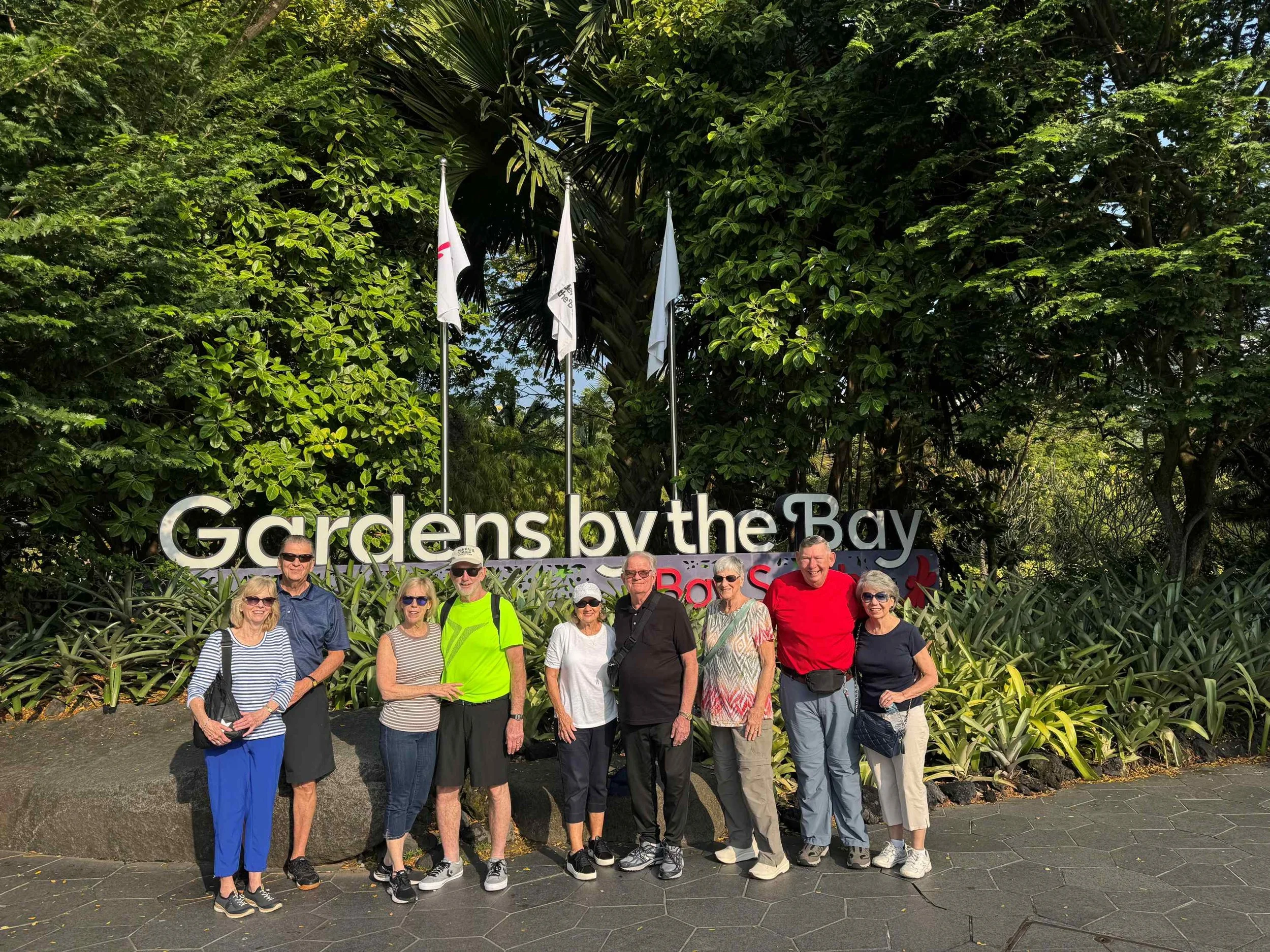
Gardens by the Bay Singapore senior-friendly attraction

Gardens by the Bay Singapore senior-friendly attraction

Whether you are planning a trip for yourself, your parents, or a small senior group, Singapore offers a relaxed pace, accessible attractions, and plenty of cultural experiences without long travel distances. With proper planning — especially with a private tour guide — seniors can explore the city comfortably and confidently.

1. Safe and Easy to Navigate

Singapore is consistently ranked as one of the safest cities in the world. Crime rates are low, streets are well-lit, and public areas are clean and orderly. For seniors, this provides peace of mind when walking around neighborhoods or visiting attractions.

Signage is clear, English is widely spoken, and transport systems are easy to understand. This reduces stress, especially for first-time visitors to Asia.

A private guided tour can make navigation even smoother, as your guide handles logistics, timing, and route planning.

2. Excellent Public Transport and Accessibility

Singapore’s MRT stations and buses are designed with accessibility in mind. Elevators, escalators, ramps, and priority seating are available across the city. Many major attractions are wheelchair-friendly.

For seniors who prefer minimal walking, a private car with a guide is also a comfortable option. This allows for flexible stops, shorter walking distances, and rest breaks when needed.

3. Comfortable Attractions with Minimal Walking

Singapore offers many attractions that are enjoyable without being physically demanding.

Some senior-friendly highlights include:

  • Gardens by the Bay – Flat pathways, indoor conservatories, and shaded areas make it easy to explore.

  • Singapore River – A relaxing river cruise with scenic city views and historical commentary.

  • Sentosa – Accessible beaches, cable car rides, and gentle sightseeing options.

These attractions offer a balance of comfort, culture, and beautiful scenery.

4. Quality Healthcare and Clean Environment

Healthcare standards in Singapore are among the best in Asia. Hospitals and clinics are modern and well-equipped, providing reassurance for senior visitors.

The city is also known for its cleanliness. Public toilets are generally well-maintained, drinking water is safe from the tap, and food hygiene standards are high — especially in hawker centres.

5. Diverse Food Options for Different Diets

Singapore’s food scene is diverse, offering Chinese, Malay, Indian, and international cuisine. Seniors can easily find mild dishes, vegetarian options, or familiar Western meals if preferred.

Places like:

  • Maxwell Food Centre

  • Tiong Bahru Market

offer a wide range of food choices in one location, making it convenient without needing to travel far.

A knowledgeable guide can also recommend dishes based on dietary needs and comfort levels.

6. Short Travel Distances Between Attractions

One major advantage of Singapore is its compact size. Unlike larger countries where long bus rides are required, most attractions are within 15–30 minutes of each other.

This reduces fatigue and allows seniors to enjoy more time sightseeing rather than commuting. A well-planned private guided tour ensures efficient routing and a relaxed schedule.

For seniors who prefer a slower pace with minimal walking, a private car tour is an excellent option. With door-to-door pick-up, shorter walking distances, and flexible stops, visitors can explore comfortably without feeling rushed. Your guide can adjust the itinerary based on energy levels, weather conditions, and rest breaks, ensuring a smooth and enjoyable experience throughout the day.

7. Cultural and Historical Experiences at a Relaxed Pace

Singapore offers rich history without overwhelming visitors. Seniors can explore heritage areas such as Chinatown, Little India, and Kampong Glam at a comfortable pace.

With a private guide, the experience becomes more meaningful. Instead of just seeing buildings, seniors can learn about Singapore’s journey from a fishing village to a global city — all without rushing.

Is Singapore Worth Visiting for Seniors?

Yes — Singapore is an excellent destination for senior travelers. It is safe, clean, accessible, and compact. Attractions are well-maintained, food options are diverse, and English is widely spoken.

With thoughtful planning and the support of a private guided tour, seniors can explore comfortably while gaining deeper insight into the city’s culture and history.

Singapore proves that travel does not have to be physically demanding to be memorable. For many senior visitors, it offers the perfect balance of comfort, culture, and convenience.